


Loophole discovered: the real reason why Pokémon Pokopia will be in game-key card format
The announcement that Pokémon Pokopia will be coming to Nintendo Switch 2 in game-key card format has not gone down well with fans, and rightly so.
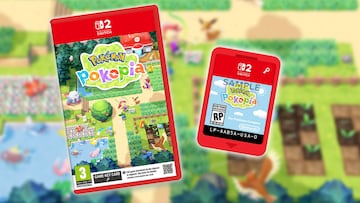
When Pokémon Pokopia was unveiled during September’s Nintendo Direct, fans were instantly intrigued. The quirky spin-off puts players in the role of a Ditto disguised as a human, tasked with building a safe haven for other Pokémon.
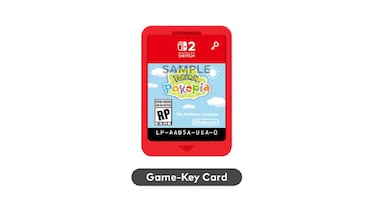
But the excitement quickly soured when Nintendo revealed that the game’s “physical edition” would actually ship as a game-key card— essentially a download code packaged to look like a cartridge.
For many fans, this move felt misleading, contradicting earlier messaging from the company. Here’s why Nintendo made this controversial decision.
Why Pokopia is releasing as a game-key card
The short answer: Pokopia isn’t developed by Nintendo itself.
The rollout of both Pokémon Pokopia and the upcoming Nintendo Switch 2 has been a mix of highs and lows, but nothing stirred more debate than the introduction of game-key cards. Marketed as a middle ground between digital and physical, these cards are essentially empty shells that unlock a full game download from the internet.
The implications are serious. Once Nintendo’s servers eventually shut down — and history shows they always do — any unused game-key card becomes worthless. Unlike a true cartridge, there’s no permanent copy stored locally unless you’ve already downloaded it.
Nintendo’s carefully worded statement
Back in May, Nintendo Life reached out to Nintendo UK, which responded: “At this time, we have no plans to use game-key cards for titles developed by Nintendo.”
Notice the phrasing. By saying “at this time” and limiting the promise to first-party titles, Nintendo left itself wiggle room. That loophole is exactly what allows Pokémon Pokopia to launch as a game-key card. Technically, Nintendo didn’t lie — but fans argue the company wasn’t playing fair either.
Who’s really behind Pokopia?
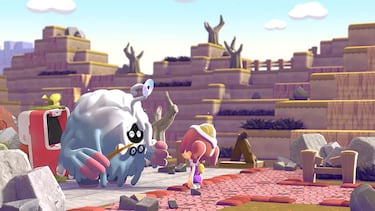
Pokopia isn’t an in-house Nintendo project. Development was outsourced to Omega Force, the studio best known for the Dynasty Warriors franchise and the first two Hyrule Warriors games.
Adding to the frustration, another externally developed title: Hyrule Warriors: Age of Calamity received a full physical cartridge release. That inconsistency has left fans scratching their heads.
It’s worth remembering that Pokémon, despite being synonymous with Nintendo consoles, has never been a pure first-party property. The mainline games are developed by Game Freak, an independent studio that collaborates closely with Nintendo but isn’t owned by the company. That nuance often gets lost in the broader conversation.
Fans feel betrayed
For many longtime players, the announcement crossed a red line. During the Switch era, Nintendo was seen as one of the last defenders of traditional physical media. Game-key cards undermine that reputation, eroding the sense of ownership that cartridges once guaranteed.
At its core, the decision is about cutting costs. But whether this gamble will hurt sales — or push Nintendo to reconsider and offer a true cartridge release remains to be seen...
Related stories
Get your game on! Whether you’re into NFL touchdowns, NBA buzzer-beaters, world-class soccer goals, or MLB home runs, our app has it all.
Dive into live coverage, expert insights, breaking news, exclusive videos, and more – plus, stay updated on the latest in current affairs and entertainment. Download now for all-access coverage, right at your fingertips – anytime, anywhere.
Complete your personal details to comment