


A 5,000-year-old bacterial strain has proven resistant to ten modern antibiotics
Scientists show that ancient organisms already had mechanisms to neutralize therapeutic agents.
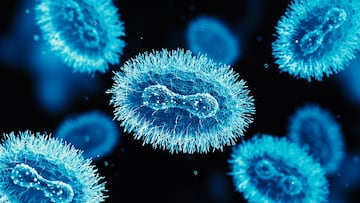
A team of researchers has discovered a bacterial strain called Psychrobacter SC65A.3 that is more than 5,000 years old. It was recovered from an ice core taken 25 meters below the surface. After analysis, the strain proved resistant to ten modern antibiotics. The findings were published in the journal Frontiers in Microbiology.
The samples were collected under sterile conditions and kept frozen until analysis to prevent any contamination. The bacterial strains were later isolated and studied to identify the genes responsible for surviving at low temperatures and for developing antibiotic resistance.
The strain was tested against 28 antibiotics from ten different classes that are currently used to treat serious infections, including urinary, respiratory, skin, bloodstream, and reproductive tract infections.
First Genome Sequence And Functional Profiling Of Psychrobacter SC65A.3 Preserved In 5,000-year-old Cave Icehttps://t.co/wCDVPxOxmv #Astrobiology #genomics pic.twitter.com/kG5bbFnBHV
— Astrobiology (@astrobiology) February 18, 2026
100 Genes Linked to Resistance
Despite its age, the strain showed resistance to ten modern antibiotics. Researchers also identified more than 100 genes in its genome associated with antibiotic resistance.
Cristina Purcarea, the lead researcher at the Institute of Biology in Bucharest of the Romanian Academy, stated: “Studying microbes such as Psychrobacter SC65A.3 retrieved from millennia-old cave ice deposits reveals how antibiotic resistance evolved naturally in the environment, long before modern antibiotics were ever used.”
Scientists warn that these bacterial strains present a double challenge. On one hand, melting ice could release ancient microbes into the modern environment. On the other, the research revealed around 600 genes with unknown functions, suggesting an unexplored source of new biological mechanisms.
In addition, researchers identified 11 genes that could inhibit or kill other bacteria, fungi, and viruses. This discovery may open the door to the development of new antibiotics.
Related stories
Get closer to the game! Whether you like your soccer of the European variety or that on this side of the pond, our AS USA app has it all. Dive into live coverage, expert insights, breaking news, exclusive videos, and more. Plus, stay updated on NFL, NBA and all other big sports stories as well as the latest in current affairs and entertainment. Download now for all-access coverage, right at your fingertips – anytime, anywhere.
And there’s more: check out our TikTok and Instagram reels for bite-sized visual takes on all the biggest soccer news and insights.
Complete your personal details to comment