


A discovery in Egypt reveals far more advanced metallurgical technology than previously thought
A metallurgical byproduct known as speiss was found near Aswan.
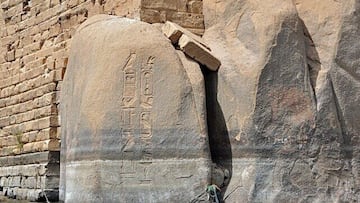
Researchers have uncovered evidence of ancient metallurgy on Elephantine Island, near Aswan, offering new insight into how advanced this science was among the ancient Egyptians of the Middle Kingdom. The island, where the speiss remains were discovered, is considered a major archaeological site because of the structures and artifacts found both on and beneath its surface.
According to a study published in Archaeometry, the new evidence appears to confirm that ancient Egyptians understood how to produce arsenical bronze. The research team dates the discovery to Egypt’s Reunification Period, between 2040 and 1700 B.C., suggesting that metalworkers of the time possessed a much higher level of technological sophistication than previously recognized.
The study, led by Jiří Kmošek of the Academy of Fine Arts in Vienna and the Czech Academy of Sciences, together with Dr. Martin Odler of Newcastle University, estimates that the byproduct is more than 4,000 years old. “The use of speiss in the production of arsenical bronze during the [Middle Bronze Age] on Elephantine Island has been confirmed,” the researchers explain in the study. The finding points to “a more complex metallurgical process than previously suspected.”
Weapons and ritual objects
Speiss is a mixture of impure metals containing high levels of arsenic, iron, and lead. Its composition is important because it can act as a reagent in the production of arsenical bronze, a material that would take years to develop and refine. Even so, finding samples of speiss at such an ancient site is highly unusual. The new evidence suggests that metallurgy in ancient Egypt involved the controlled alloying of arsenic, a practice scholars had not believed was understood until several decades later.
Before the publication of Kmošek’s team’s study, archaeologists generally explained the presence of arsenical copper in artifacts from earlier periods of Egyptian history as the possible result of natural contamination in copper ore samples.
That interpretation has now changed. The new findings show that Middle Kingdom Egyptian metalworkers used speiss in molten copper to strengthen bronze for the production of weapons and other ritual objects.
Related stories
Get closer to the game! Whether you like your soccer of the European variety or that on this side of the pond, our AS USA app has it all. Dive into live coverage, expert insights, breaking news, exclusive videos, and more. Plus, stay updated on NFL, NBA and all other big sports stories as well as the latest in current affairs and entertainment. Download now for all-access coverage, right at your fingertips – anytime, anywhere.
And there’s more: check out our TikTok and Instagram reels for bite-sized visual takes on all the biggest soccer news and insights.
Complete your personal details to comment