


A great white shark has been caught in waters near the Spanish coast: it is the third verified sighting in less than 11 years.
Researchers confirmed the presence of a great white shark in Spanish waters. The shark measured more than 6.5 feet in length and weighed almost 200 pounds.
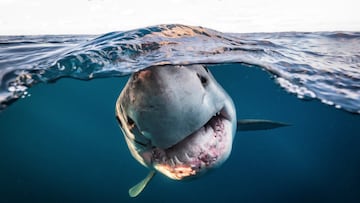
A group of researchers has confirmed the presence of the great white shark in the Mediterranean Sea, a species often portrayed by films as a dangerous animal. A study conducted by the Spanish Institute of Oceanography (IEO-CSIC), in collaboration with the University of Cádiz (UCA), documented its presence within Spain’s exclusive economic zone.
The research, published in Acta Ichthyologica et Piscatoria after two years of work, analyzes a specimen that was accidentally caught on April 20, 2023, near Alicante.
Following the catch, local fishermen notified scientists with whom they regularly collaborate. José Carlos Báez, a researcher at the IEO and lead author of the study, took the photographs and videos and conducted the genetic analyses that confirmed the species.
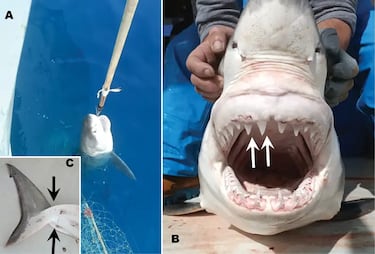
The shark measured more than 6.5 feet in length and weighed approximately 198 pounds. This species can reach up to 13 feet in adulthood, with maximum recorded lengths of nearly 22 feet.
First records in 1862
The first record of a great white shark in the Mediterranean dates back to 1862, based on indirect observations such as bite marks found on sea turtles that, due to their characteristics, were attributed to this species.
It is estimated that between 1986 and 2001, 62 specimens were recorded in Spanish waters. However, the authors note that the shark’s presence in the Balearic Islands has declined by more than 73 percent in recent decades.
The great white shark can live an average of 73 years, and researchers still do not know whether this sighting is related to the Atlantic bluefin tuna’s migration patterns.
Despite its portrayal in movies, experts emphasize that it does not pose a real threat to swimmers and is not an aggressive predator toward humans. This new study raises questions about its current role in the Mediterranean.
The research team stresses the need to strengthen monitoring and conservation programs for this species.
Related stories
Get your game on! Whether you’re into NFL touchdowns, NBA buzzer-beaters, world-class soccer goals, or MLB home runs, our app has it all.
Dive into live coverage, expert insights, breaking news, exclusive videos, and more – plus, stay updated on the latest in current affairs and entertainment. Download now for all-access coverage, right at your fingertips – anytime, anywhere.
Complete your personal details to comment