


A radical shift for NASA: it will allow astronauts to bring cell phones on space missions
Until now, NASA prohibited personal devices because they had to pass extremely strict protocols on issues such as fire risk.
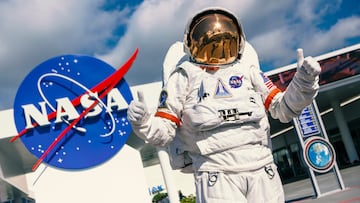
NASA will, for the first time, allow astronauts to bring personal, cutting‑edge smartphones on upcoming crewed missions, starting with Crew‑12 and Artemis II.
The U.S. state space agency’s administrator, Jared Isaacman, explained that the move modernizes decades‑old protocols and will let crews capture and share personal photos and videos from space - something previously banned under strict technical‑certification rules.
The announcement sparked reactions from veteran astronauts such as Clayton Anderson, who recalled that back in his day he couldn’t even bring an iPod because it failed certification.
Who will be the first to enjoy NASA rule change?
Artemis II still holds a launch window between March 7 and 11, 2026, while the Crew‑12 mission is set to lift off on February 11 aboard a SpaceX Dragon spacecraft bound for the International Space Station, carrying four astronauts who will live and work there for about nine months.
Astronauts will now be able to keep in closer touch with their families, reinforcing psychological well‑being on long‑duration missions. That’s especially meaningful for nine‑month ISS assignments like Crew‑12, or for lunar missions such as Artemis II, which will carry humans around the Moon for the first time in 50 years.
Why were cell phones banned?
Until now, NASA banned personal devices because they had to pass extremely rigorous protocols related to fire risk (some phones have indeed exploded), potential interference, materials that could fragment in microgravity, and electromagnetic compatibility. All of this will now be put to the test.
Accelerating certification for mobile hardware marks a modernization of an infamously rigid system - one that may allow other commercial devices to gain approval more easily on future missions (and potentially sponsor missions, given NASA’s serious budget pressures). It also opens the door to more flexible in‑situ research tools.
So which will arrive first - the “We made it to the Moon” message on WhatsApp to the family, or the official press release?
Related stories

Get your game on! Whether you’re into NFL touchdowns, NBA buzzer-beaters, world-class soccer goals, or MLB home runs, our app has it all.
Dive into live coverage, expert insights, breaking news, exclusive videos, and more – plus, stay updated on the latest in current affairs and entertainment. Download now for all-access coverage, right at your fingertips – anytime, anywhere.
Complete your personal details to comment