


A ‘social network’ from the past has been discovered in the walls of Pompeii
Archaeologists say the walls functioned as a public notice board, where people interacted with messages previously written by others.
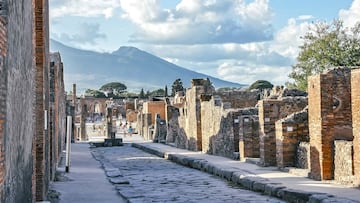
We like to think we’re reinventing communication every few years — but really, we’re just changing the platform. As the meme goes, we’re one long voice note away from rediscovering the phone call. Human connection hasn’t changed; only the medium has.
And once again, Pompeii is here to remind us of that. If you told its ancient residents they’d be making headlines nearly 2,000 years later, they probably wouldn’t believe it.
A new study titled “Corridor Noise” — led by two professors from the Sorbonne in France and a Roman‑history scholar from the University of Quebec in Montreal — combines epigraphy, archaeology, philology, and modern analytical tools to decode something surprisingly familiar: ancient social interaction.
Their research focuses on the graffiti lining the passageway that connected Pompeii’s Grand Theater with the theatrum tectum, the smaller covered theater. What they found is far more complex than random scribbles. These inscriptions reveal conversations, replies, jokes, announcements — a full‑blown communication network carved into stone.
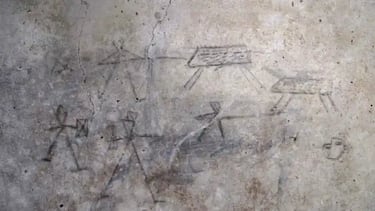
Pompeii’s walls worked like a public social feed
According to the researchers, the walls functioned much like today’s social platforms. The messages formed a genuine social network tied to a specific public space. This corridor — roughly 90 feet long — linked the city’s two theaters and served as a bustling walkway where people lingered before performances, chatted, sought shade, or escaped the rain.
It was essentially a public forum where anyone could post what they needed, wanted, or were looking for. Not exactly the “Boulevard of Broken Dreams” — and no tequila shots — but probably plenty of Falernian wine.
One side of the wall, the study notes, was even used as a makeshift restroom. And as anyone who’s ever seen a bathroom stall knows, that’s prime real estate for blunt commentary. The result? A living bulletin board where people reacted to earlier messages — the ancient equivalent of quoting, replying, liking, and sharing.
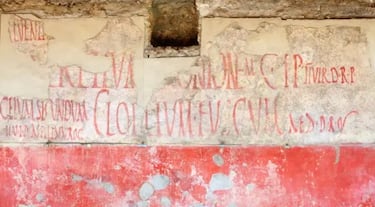
A linguistic treasure trove hidden in plain sight
The language etched into the walls reveals a surprising range of linguistic quirks among Pompeii’s residents. Even more striking: researchers found names written in Safaitic, a proto‑Semitic script extremely rare in the ancient Western world. This makes the corridor a unique case in Pompeii — and nearly unprecedented across the region.
In other words, this wasn’t just graffiti. It was a multilingual, multi‑year conversation preserved in volcanic ash — a reminder that long before smartphones, humans were already posting, commenting, and leaving their mark for others to read.
Related stories
Get your game on! Whether you’re into NFL touchdowns, NBA buzzer-beaters, world-class soccer goals, or MLB home runs, our app has it all.
Dive into live coverage, expert insights, breaking news, exclusive videos, and more – plus, stay updated on the latest in current affairs and entertainment. Download now for all-access coverage, right at your fingertips – anytime, anywhere.
Complete your personal details to comment