


A vanishing colony of a protected species in Greece sparks a fierce debate—and one stray cat is at the center of it
The disappearance of these rodents reopens the debate about the impact of uncontrolled domestic animals on wildlife.
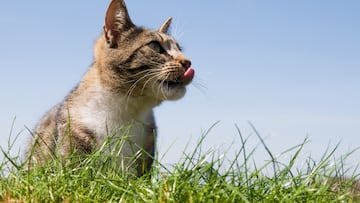
At Greece’s Aristotle University of Thessaloniki, scientists have been left stunned after a single stray cat nearly wiped out an entire colony of llagóguyros, a rare and protected rodent species.
The colony, once numbering about 20 individuals, lived in a roughly 1 acre field belonging to the university’s Faculty of Agronomy. But between 2021 and 2023, researchers noticed the population collapsing. By this year, it had vanished almost entirely.
The culprit, they say, was a female stray cat that specialized in preying on young rodents—effectively dismantling the colony within just two breeding cycles.
Why one cat caused so much damage
“This was a dense and healthy colony,” explained postdoctoral researcher Lida Ramou from the university’s Department of Biology. “We monitored around 20 animals during the 2021–22 season. But in 2023 a stray cat appeared, and within two years the colony was gone.”
Ramou added that while many cats roam the area, this one became a consistent predator. Because it had also given birth, the researchers faced a dilemma: removing the animal wasn’t simple, and another predator could just take its place.
“This shows why we need long-term planning and cooperation between all stakeholders,” she stressed.
The broader problem of stray animals and wildlife
For biologist and PhD candidate Ilias Strachinis, this case highlights a much larger issue. “Stray animals themselves face dangers—disease, cars, even cruelty from people. But at the same time, they put enormous pressure on wildlife.”
Strachinis pointed out that feral and free-roaming domestic cats have already contributed to the extinction of at least 63 wildlife species worldwide, while threatening thousands of others.
“The responsibility isn’t with the cat,” he emphasized. “It’s with us—humans—who allow uncontrolled breeding and abandonment.”
Proposed solutions: from sterilization to stricter laws
To tackle the problem, Strachinis suggested a combination of measures: public awareness campaigns, encouraging adoption, sterilization programs, keeping pets indoors, and rapid capture of strays in sensitive ecological areas.
“We’re not demonizing the cat,” he said. “We’re presenting real, internationally documented data. Recognizing this allows us to push for more responsible pet owners, stronger legislation, more shelters, more sterilizations—and in the end, greater protection for wildlife.”
Calls for immediate action
Animal welfare activist Evi Kalaitzidou, from the group Noiazomai, echoed the urgency. “We need structured funding for sterilizations. Unsterilized animals reproduce, starve, and suffer dehydration. This is preventable.”
She argued that in this specific case, the cat could have been safely captured with proper equipment, but coordination was lacking.
Why this matters beyond Greece
The disappearance of the llagóguyros colony has become a striking example of the growing conflict between wildlife conservation and uncontrolled domestic animals. Experts agree: addressing this requires coordinated action from scientists, authorities, and everyday citizens alike.
Related stories
Get your game on! Whether you’re into NFL touchdowns, NBA buzzer-beaters, world-class soccer goals, or MLB home runs, our app has it all.
Dive into live coverage, expert insights, breaking news, exclusive videos, and more – plus, stay updated on the latest in current affairs and entertainment. Download now for all-access coverage, right at your fingertips – anytime, anywhere.
Complete your personal details to comment