


August lunar cycle: Everything you need to know about the Sturgeon moon this month
Everything you need to know about the August Sturgeon moon, which peaks on Aug 9. Plus all the other celestial events you won’t want to miss.
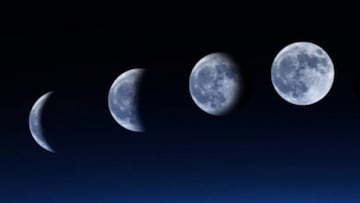

August’s full moon, often referred to as the Sturgeon moon, will be visible in the early morning hours of Saturday, August 9, 2025, with the maximum height being reached around 3:55 am EDT.
What is a Sturgeon?
A Sturgeon is a fish, and Vice reports that the name for the August moon is tied to the beginning of the season for catching these fish, going back centuries. There is also a tie to Native American communities, with the Great Lakes being home to the fish, which, for Farmers Almanc, was "an important food staple" for indigenous people in the area.
According to Farmers’ Almanac, the Sturgeon is often referred to as “living fossils” as they are said to have made their appearance on Earth more than 136 million years ago. These spiny fish can live for 150 years, and the females do not begin reproducing until they are in their 20s.
August’s celestial calendar
NASA publishes a monthly list of some of the celestial events the public can catch, and lovers of the night sky will not be disappointed with August’s offering.
For those hoping to use their summer vacation to gaze into the night sky, various planets will make an appearance, making them visible to the naked eye. NASA notes that Mercury “pops up above the horizon during the second half of August.”
Venus will also be visible, but is best seen "in the east each morning before sunrise," with those hoping to catch a glimpse advised to look “about 20 to 30 degrees above the horizon.”
Mars will appear as the brightest star in the Big Dipper, says NASA, adding that the red planet "can be observed low in the west during the hour after sunset."
Like Venus, Jupiter will greet early risers, but will not appear as bright.
Lastly, Saturn will also make an appearance, coming out in the late night through dawn. NASA says the planet will rise around 10:30 pm in the early part of the month, but will slowly begin rising earlier, until it rises around 8:30 pm by the end of the month. “Find it high in the south as sunrise approaches,” says NASA.
Be sure to catch these events
On August 11 and 12, Venus and Jupiter, which are the two brightest planets in our solar system, will enter a conjunction, where over those two days, they will meet up in the night sky. On the 11th and 12th, NASA says the two will be “just a degree apart.”
Following the Venus-Jupiter Conjunction, we will witness the Perseids Peak, which begins on August 13 and will run through August 13. “Though the 84%-full Moon will hamper some of the views, NASA still expects viewers to see ”a few bright meteors," but warns that “viewing conditions are not ideal this year.”
Related stories
Get your game on! Whether you’re into NFL touchdowns, NBA buzzer-beaters, world-class soccer goals, or MLB home runs, our app has it all.
Dive into live coverage, expert insights, breaking news, exclusive videos, and more – plus, stay updated on the latest in current affairs and entertainment. Download now for all-access coverage, right at your fingertips – anytime, anywhere.
Complete your personal details to comment