


Buy Nothing Day: Here’s a challenge for you on Black Friday - no purchases of any kind
The modern use of “Black Friday” to describe the day after Thanksgiving started in Philadelphia but is nowadays synonymous with spending money and discounts.
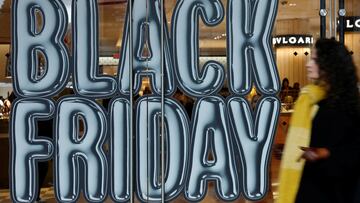

Black Friday is one of the biggest global shopping days and in 2024, global spending on Black Friday reached $74.4 billion in just 24 hours, making it a massive event internationally.
It’s recognized by 95% of consumers worldwide, and participation spans across North America, Europe, Asia, and Latin America.
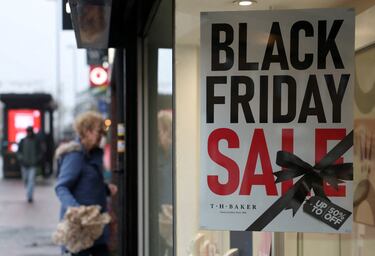
In the U.S. alone, online sales hit $10.8 billion, and total retail revenue exceeded $20 billion.
However for those, sick to the teeth of being bombarded with Black Friday deals, there is an alternative...
Buy Nothing Day
Buy Nothing Day is an international day of protest against consumerism. It serves as a direct counter-response to Black Friday, challenging the idea that spending money is the primary way to celebrate the holiday season.
It is held on the Friday after Thanksgiving (the same day as Black Friday) and in Europe, it is typically observed the following day, on Saturday, to avoid the confusion of a “working day” protest and to hit peak weekend shopping traffic.
Buy 0
— Buy Nothing Day (@BuyNothingDay) July 31, 2023
Do 0
Be 100%
The concept was created in Vancouver, Canada, in 1992 by artist Ted Dave and was popularized globally by Adbusters, a Canadian anti-consumerist magazine.
In 1997, the date was officially moved to coincide with Black Friday to create a direct contrast to the retail frenzy and the goal is not just to save money for one day, but to force a pause in the “buy, buy, buy” cycle.
🚨 CFS 20% OFF CODE 🚨
— Shirt Disciple ⚽️ (@Shirt_Disciple) November 27, 2025
The Black Friday sale has started early on Classic Football Shirts
Take 20% off site wide with code BLACKFRIDAY
Check the thread below for our recommendations…
👉 https://t.co/08BRySe43Y #ad pic.twitter.com/eevWX3YCYN
Aims
The main aim of the initiative is to raise awareness of the environmental and ethical impact of fast fashion, disposable goods, and waste.
Question the narrative that happiness comes from material possessions.
Encourage people to repair what they have, borrow, or do without rather than immediately buying new with the only strict “rule” is to spend absolutely $0 for 24 hours.
Related stories

Get your game on! Whether you’re into NFL touchdowns, NBA buzzer-beaters, world-class soccer goals, or MLB home runs, our app has it all.
Dive into live coverage, expert insights, breaking news, exclusive videos, and more – plus, stay updated on the latest in current affairs and entertainment. Download now for all-access coverage, right at your fingertips – anytime, anywhere.
Complete your personal details to comment