


Dentist warns: This everyday habit can increase the risk of cavities and other damage to your teeth
Festive-season excesses can affect the health of our teeth and gums after the holidays, experts caution.
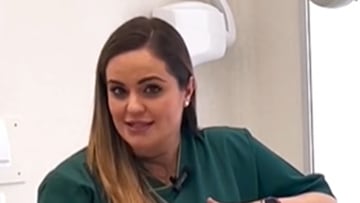
During the holiday season, it’s common for both eating habits and oral‑hygiene routines to get thrown off. People tend to consume more sweets, alcohol, and heavy meals - and snack more often throughout the day. These shifts can take a toll on gum health and increase the risk of cavities, enamel erosion, and gingival inflammation.
That’s how dentist Lorena Trinidad Bueno, from the clinical care and quality team at Sanitas Dental, explains it: “Every time we eat sweets or drink alcohol, the bacteria in our mouths feed on those sugars and produce acids that attack tooth enamel. During the holidays, because these foods and drinks are consumed repeatedly throughout the day, teeth are exposed to those acids for longer stretches of time, which increases the risk of cavities and other damage.”
Many traditional holiday treats - such as hard candies - also tend to stick to the teeth and the spaces between them, making them harder to remove with regular brushing. On top of that, alcohol consumption reduces saliva production and leads to a drier mouth, which further raises the likelihood of cavities and gum problems.
Saliva: a natural defense system
Saliva is one of the mouth’s primary defense mechanisms. It helps maintain bacterial balance and supports the remineralization of enamel after eating. When saliva flow decreases, that recovery process slows down, and the mouth takes longer to bounce back between meals.
Nutrition expert Natalia Galán, from Blua by Sanitas, adds: “These issues affecting the teeth or gums can also impact digestion. Pain when chewing or gum inflammation can make it harder to properly break down food. That forces the stomach to work harder and can lead to heavier, more uncomfortable digestion.”
Maintaining good oral health
To protect oral health, experts recommend cutting back on between‑meal snacking. Continuous nibbling - especially on sugary or sticky foods - keeps teeth exposed to acids for longer. Spacing out meals and limiting sugary items to specific moments in the day gives enamel more time to recover between exposures.
It’s also important to wait before brushing after eating or drinking acidic foods and beverages. After consuming alcohol, soft drinks, or fruit juices, tooth enamel becomes temporarily more sensitive. Waiting at least 30 minutes before brushing helps prevent erosion and protects the tooth surface.
Staying well‑hydrated also supports saliva production, helps clean the mouth, and assists in neutralizing acids - particularly after drinking alcohol or eating dry foods. And reinforcing interdental cleaning is essential. Food particles often accumulate in areas where a toothbrush can’t reach. Using dental floss or interdental brushes daily helps reduce plaque and prevent gum inflammation.
Related stories
Get your game on! Whether you’re into NFL touchdowns, NBA buzzer-beaters, world-class soccer goals, or MLB home runs, our app has it all.
Dive into live coverage, expert insights, breaking news, exclusive videos, and more – plus, stay updated on the latest in current affairs and entertainment. Download now for all-access coverage, right at your fingertips – anytime, anywhere.
Complete your personal details to comment