


Dermatologists debunk tanning myths and warn of health risks: “It’s a clear signal of skin damage”
Doctors warn about the behavior we all practice on beaches and at pools that is harmful to our health.
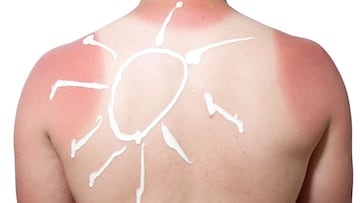
Every summer, millions of people head to beaches and pools chasing the perfect tan. But what if that golden glow we’ve all come to admire is actually your body’s way of signaling damage?
Dermatologists across Europe are sounding the alarm on a practice so common, most of us never question it: tanning. Far from being a symbol of health and beauty, that sun-kissed skin may be your body’s desperate attempt to protect itself from long-term harm — including skin cancer, which experts warn is expected to rise by 40% in the next 25 years.
Why that “perfect tan” isn’t so perfect
According to Dr. Ángela Flórez, coordinator of the Euromelanoma Campaign and spokesperson for the Spanish Academy of Dermatology and Venereology, the idea that a tan equals beauty is not only outdated — it’s dangerous.
“Medically, it’s incredibly hard to change the public’s perception because tanning is so closely linked to appearance,” she explains. “But a tan is actually a clear signal of skin damage.”
Here’s how it works: when UV rays penetrate your skin, they trigger melanocytes — the cells responsible for pigment — to produce more melanin in a frantic effort to protect your DNA. That darker tone is your skin’s emergency response, not a sign of wellness.
Light-skinned individuals, who have less melanin, are especially vulnerable. Without enough natural protection, their skin burns more easily — and repeated sunburns can lead to a breakdown in cell regulation, increasing the risk of melanoma, the deadliest form of skin cancer.
The ‘sunscreen paradox’: Are you too comfortable in the sun?
You’ve probably been told to wear sunscreen — and that’s solid advice. But dermatologists warn that sunscreen isn’t a free pass to stay in the sun longer.
This is what researchers now call “the sunscreen paradox.” While sunscreen can reduce the risk of burns, it can also give a false sense of security, leading people to extend their time in direct sunlight — often during the most dangerous hours.
Here’s what experts now recommend:
- Use broad-spectrum SPF 50+
- Reapply every two hours, especially after swimming
- Avoid direct sun exposure between 12 PM and 4 PM
- Wear protective clothing, hats, and UV-blocking sunglasses
Sun myths that refuse to die — and what you should do instead
One of the most persistent myths circulating online is that sunlight helps clear acne. While a bit of sun may dry out pimples temporarily, doctors say the long-term damage far outweighs the short-term benefit. UV rays weaken the skin’s defenses and can worsen acne-related pigmentation and scarring.
And while sun exposure is vital for vitamin D synthesis, doctors say you only need a few minutes of moderate exposure a few times per week — not hours of sunbathing.
“Lying out in the sun just to change your skin tone? That’s excessive,” says oncology expert Dr. Muñoz Couselo. “Just like smoking is the leading cause of lung cancer, sun exposure is the leading modifiable risk factor for melanoma.”
The alarming rise in skin cancer — especially in children
The numbers are sobering. According to the Spanish Network of Cancer Registries, melanoma cases have increased from 12 to 15 per 100,000 people over the last two decades — and that trend shows no signs of slowing down.
The Healthy Skin Foundation warns that children are especially at risk, with experts projecting a 40% rise in skin cancer cases over the next 25 years.
“What we’re seeing now is the result of damage that happened years ago,” Dr. Flórez explains. “A significant portion of our ‘sun capital’ is spent before age 20 — and that exposure is cumulative.”
Related stories
Get your game on! Whether you’re into NFL touchdowns, NBA buzzer-beaters, world-class soccer goals, or MLB home runs, our app has it all.
Dive into live coverage, expert insights, breaking news, exclusive videos, and more – plus, stay updated on the latest in current affairs and entertainment. Download now for all-access coverage, right at your fingertips – anytime, anywhere.
Complete your personal details to comment