


Discovery of a 4,900-year-old Copper Age fortress with a tragic ending
Researchers in Spain found that the ancient structure was built with three moats and 25 bastions, proof of a well-organized community.
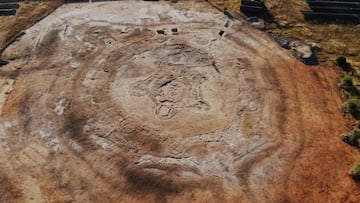
When Spanish energy company Acciona Energía was planning to build a new photovoltaic solar park in Badajoz, Spain, they came across an unexpected discovery.
The land contained a large olive grove, in which they found materials dating back to the Chalcolithic period - otherwise known as the Copper Age - and their archaeological team quickly made an astonishing find.
They uncovered a Copper Age fortification approximately 4,900 years old, consisting of three concentric walls, 25 bastions, and three moats measuring four meters wide and two meters deep. The entire complex covered an area of about 3.2 acres.
César Pérez, an archaeologist from the University of Extremadura and director of the excavation, explained: “When the photovoltaic plant was proposed in this area, we expected to find something, but never anything of this scale.”
“It’s worth noting that, although quite a few fortifications like this one are known in Extremadura, almost none have been excavated. What makes Cortijo Lobato unique is that it was designed from the very beginning to be a fortification.”
The team analyzing the site found several objects from the Copper Age, including arrowheads, axes, plates, idols, bowls, and loom components. Inside the fortress, they uncovered evidence of huts and even a water reservoir.
“The complex of walls and moats shows a level of pre-planning that required coordination among a large group of people. This degree of organization suggests the existence of some form of hierarchy or leadership. The sophistication of the defensive design and the need for a sizable workforce reinforce the idea of a well-organized community,” Pérez noted.
But from that glorious start, it seems that the structure had a less glamorous end. It is believed that the fortress was deliberately set on fire, as the wooden gates were found burned despite being far from any flammable materials. In addition, several arrowheads were discovered nearby. Ultimately, the fortress was abandoned around the year 2450 BCE.
Related stories
Get your game on! Whether you’re into NFL touchdowns, NBA buzzer-beaters, world-class soccer goals, or MLB home runs, our app has it all.
Dive into live coverage, expert insights, breaking news, exclusive videos, and more – plus, stay updated on the latest in current affairs and entertainment.Download now for all-access coverage, right at your fingertips – anytime, anywhere.
Complete your personal details to comment