


Doctors don’t hold back in naming the most heart-damaging cheese: it’s a daily choice for many Americans
Daily consumption of high amounts of salt, saturated fats, and added sugars in this dairy product poses a health risk.
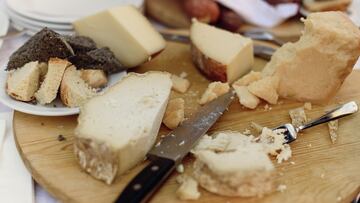

Cheese is one of the most cherished foods for many people. Its wide variety of unique flavors and its ease of adding it to any dish have made it a dietary favorite. However, despite many cheeses being made through natural processes, there is one type of cheese that should be avoided.
New research on cardiovascular diseases warns about the dangers of eating processed cheese. According to the magazine Sveika Mokykla (“Healthy School” in English), doctors caution against consuming this type of dairy as it is a significant contributor to heart disease.
What processed cheeses contain
Packaged sliced or spreadable cheeses don’t just contain milk; they are also a mix of emulsifiers, stabilizers, hydrogenated fats, and very high sodium content. Although the packaging labels this product as “cheese,” the reality is that these types differ significantly from the natural fermentation processes that characterize traditional cheeses.
The blend of chemicals added to the milk is commonly known as “technical blends.” This composition, far from resembling a real dairy product, is much more like a formula created by the food industry. Natural cheese contains between 50% and 70% less sodium, 40% less saturated fat, and lower levels of calcium and protein.
High levels of processed animal fats and sodium increase the risk of high blood pressure, atherosclerosis, and myocardial infarction. Doctors recommend avoiding these products. Consuming an average piece of processed cheese provides about one-third of the daily recommended sodium intake for health, equivalent to around 400 to 600 grams.
In addition to sodium and synthetic fats, salt, phosphates (which alter mineral metabolism), flavor enhancers, and even sugars are added. Manufacturers tend to use large amounts of these additives to ensure the cheese’s stability, smooth texture, flavor, and economic profitability.
No need to give up cheese
Experts recommend not eliminating cheese from your diet, but knowing which types to choose. The composition and quality of nutrients in natural products are a better option than the technical blends in processed cheeses. Natural cheeses such as mozzarella, feta, goat cheese, or aged hard cheeses are made from milk, rennet, and salt. Natural cheese contains no added fats or emulsifiers and is considered a natural source of protein, calcium, and vitamin B12.
It is recommended to avoid daily consumption of processed or spreadable cheeses. Instead, choose natural cheeses with minimal processing, such as feta, mozzarella, ricotta, and, in small amounts, Parmesan or hard cheeses.
Pay close attention to the salt content in products. It should not exceed 1.5 grams of salt per 100 grams of cheese. Also, even with natural products, it is advised to eat small portions—about 30 to 40 grams per day. Cheese should be considered an additional protein source, not a main dietary component.
Related stories
Get your game on! Whether you’re into NFL touchdowns, NBA buzzer-beaters, world-class soccer goals, or MLB home runs, our app has it all.
Dive into live coverage, expert insights, breaking news, exclusive videos, and more – plus, stay updated on the latest in current affairs and entertainment. Download now for all-access coverage, right at your fingertips – anytime, anywhere.
Complete your personal details to comment