


Dozens of ski resorts have been abandoned in the U.S. since 1977: now they are being reborn with recreational ‘flow trails’
A study reveals how the ski season has shortened significantly in recent years due to climate change.
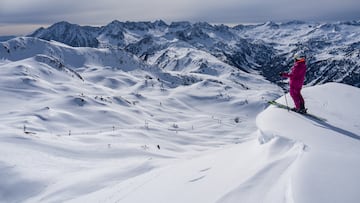
Hidden deep within the dense forests of the United States, rusting chairlifts remind visitors of slopes that once bustled with skiers. Today, after the abandonment of numerous ski areas across the country, residents and tourists alike are taking advantage of the lush vegetation surrounding these former resorts to create new systems of mountain biking trails.
During the 1960s, nearly 1,000 ski resorts operated throughout the United States. Today, that number has fallen to just 487 active resorts. The New England Lost Ski Areas Project documented the closure of 670 resorts in the northeastern United States, while DCSki recorded an additional 31 closures in the Mid-Atlantic region.
When closures in both the Midwest and the Northeast are combined, the total number rises to 1,664. Still, not all the news is bad for ski enthusiasts. While many resorts shut down, others opened their slopes for the first time. Even so, the overall trend points to a steady decline in the number of operating ski areas.
The ski season is shrinking
One of the main challenges affecting ski resort operations in the United States is climate change and the reliability of snowfall. Declining natural snow forces resort operators to rely on artificial snowmaking, which requires expensive infrastructure. These costs are compounded by liability concerns, rising insurance expenses, financial pressures, and ongoing challenges related to long term business viability.
Together, these obstacles make it extremely difficult for small, local ski resorts to remain open. Climate change poses a particularly serious threat to companies managing these areas.
A study examining more than 220 ski resorts across four regional markets in the United States found that the average ski season shortened by between 5.5 and 7.1 days from 2000 to 2019 compared with the period from 1960 to 1979.
This gap continues to widen over time, with no clear evidence of future stabilization. Projections suggest that ski seasons could shorten by an additional 14 to 33 days by 2050 under various emissions scenarios, with reductions reaching between 27 and 62 days in some regions.
These differences are also influenced by latitude and elevation. Resorts located at higher elevations in the Rocky Mountains and the Sierra Nevada face shorter and more irregular seasons, while those at lower elevations in the Midwest and Northeast experience far more severe consequences, often with devastating effects.
New trails for bikes
The abandonment of hundreds of ski resorts nationwide has created opportunities to develop mountain biking trail systems. These networks now span dozens of former ski areas and have gradually become regional destinations for mountain biking enthusiasts.
In the early days, when outdoor recreation at abandoned ski resorts had not yet taken off, only one or two such conversions existed. Today, however, a true wave of development is spreading across the country, offering these areas a new purpose.
One example is Highland Mountain Bike Park in New Hampshire, which offers chairlift service and striking landscapes tailored to mountain bikers. Its success is no coincidence.
In the past, bike trail systems were occasionally built near ski resorts, but these new developments are different. Modern trail systems are designed on higher and steeper terrain, unlike earlier trails that tended to be gentler and more rolling.
Related stories


Get your game on! Whether you’re into NFL touchdowns, NBA buzzer-beaters, world-class soccer goals, or MLB home runs, our app has it all.
Dive into live coverage, expert insights, breaking news, exclusive videos, and more – plus, stay updated on the latest in current affairs and entertainment. Download now for all-access coverage, right at your fingertips – anytime, anywhere.
Complete your personal details to comment