


Dr. Ran Barzilay, psychiatrist, on when it’s OK for kids to own a smartphone: “The findings do support delaying”
Recent research in the U.S. has shed light on the effects of smartphone ownership on early adolescents.
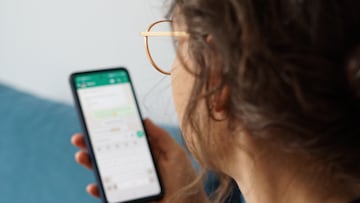

Experts are urging parents not to rush into giving children their first smartphone, in the wake of a study that links the technology with adverse effects on kids’ health.
In a paper published in the journal Pediatrics in December, a U.S.-wide team of researchers found an increased risk of depression, obesity and insufficient sleep among children who owned a smartphone at age 12, compared with those who did not.
Carried out by analyzing data from the Adolescent Brain Cognitive Development study, a 2018-2021 survey of over 10,000 U.S. adolescents, the Pediatrics paper said the risk of obesity and insufficient sleep grew yet further among under-12s with smartphones.
The paper followed an October poll by Pew Research Center, in which nearly 60% of parents said their 11 or 12-year-old child had a smartphone, while around a third said their eight to 10-year-old owned the technology.
The Pediatrics paper also compared 13-year-olds who had obtained a smartphone over the previous 12 months with those who still didn’t own one. Among the former group, there was “a greater risk of mental health problems and insufficient sleep at age 13”, researchers said.
A “significant factor” in adolescents’ health
In a news release, the Pediatrics study’s lead author, the Children’s Hospital of Philadelphia psychiatrist Dr. Ran Barzilay, said: “Our findings suggest that we should view smartphones as a significant factor in teen health, approaching the decision to give a child a phone with care and considering potential impacts on their life and health.”
In interview with HuffPost this week, Barzilay added that the paper’s findings “do support delaying a little bit” the decision to allow an adolescent to own a smartphone. (Barzilay conceded in an interview with CNN, though, that his study doesn’t draw conclusions on how the observed effects of smartphone ownership on kids up to 13 compare with the impact on adolescents of subsequent ages.)
“There are other ways of staying in touch with children”
In an article in CNN, Kara Alaimo, a professor of communication at Fairleigh Dickinson University in New Jersey, endorsed Barzilay’s plea to delay. “This study is just one more reason I think parents should consider holding off on getting their kids smartphones,” Alaimo wrote.
“As I’ve said before, there are other ways of staying in touch with children, including flip phones and watches. There are also other methods for kids to stay in touch with one another, including old-fashioned landlines.”
Alaimo also recommended that parents combat the effects of excessive smartphone exposure by signing their children up for organized physical activities, such as a sports team. “If you’ve paid for an extracurricular activity and a coach and teammates are counting on your child to show up, you’re more likely to stay on track and ensure your kid gets enough physical activity,” she said.
“Another benefit is that these kinds of activities tend to reduce the amount of time kids spend on smartphones. It’s pretty tough to check your phone when you’re playing in a soccer game or doing backflips on a balance beam.”
Barzilay concurred: “It’s critical for young people to have time away from their phones to engage in physical activity, which can protect against obesity and enhance mental health over time."
Set “clear rules” on smartphone use, parents urged
“We are not claiming smartphones are detrimental to all adolescents’ health,” Barzilay added. “Rather, we advocate for thoughtful consideration of the health implications, balancing both positive and negative consequences.”
The psychiatrist recommends setting “clear family rules” before a child is given a smartphone, including guidelines on use “in bedrooms, at the dinner table, and during homework”. He also urges caregivers to adjust the privacy and content settings, to ensure children do not access “inappropriate material”.
In future, Barzilay and his team of researchers intend to zero in on particular areas of smartphone use, such as the kinds of apps that may be associated with negative health consequences. The researchers also say they plan to examine more closely the effects of smartphone use among children under 12.
Related stories


Get your game on! Whether you’re into NFL touchdowns, NBA buzzer-beaters, world-class soccer goals, or MLB home runs, our app has it all.
Dive into live coverage, expert insights, breaking news, exclusive videos, and more – plus, stay updated on the latest in current affairs and entertainment. Download now for all-access coverage, right at your fingertips – anytime, anywhere.
Complete your personal details to comment