


Federal Reserve announces new interest rate hike: will this help bring down inflation?
The 0.75 percentage point increase is designed to tackle price rises, but does it bring the risk of another recession in the United States?
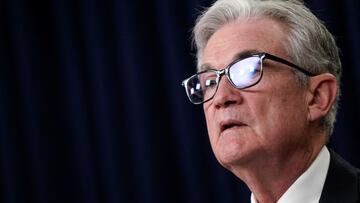

In a statement released on Wednesday, the Federal Reserve announced its intention to implement a 0.75 percentage point increase to interest rates. This is the latest in a series of moves to bring down the high rate of inflation without risking a damaging recession.
This is the second consecutive month in which the Fed has introduced a 0.75 rise, taking borrowing rates to the range of 2.25% - 2.5%. The recent increases are the fastest rate of interest rate rise since the Fed began using it as a tool to tackle inflation in the early 1990s.
The Fed’s interest rates directly affect anyone who owes or is owed money, whether that be in the form of mortgage debt, auto loans, credit card, or other financial products. The move had been expected after it was foreshadowed in recent statements, but the news that interest rates have reached the highest levels since December 2018 shows the desperation to tackle price rises.
The Federal Reserve's latest interest rate hike, its fourth since March, will further raise costs for homes, cars and credit cards, though many borrowers may not feel the impact immediately.
— The Associated Press (@AP) July 27, 2022
Here's how the hike will affect your finances. https://t.co/VKRjl659qs
Why do interest rates affect inflation?
The Biden administration believed that the Federal Reserve’s ability to adjust interest rates is one of the most powerful tools to affect inflation. Experts agree that raising interest rates serves to incentivise saving and makes borrowing more expensive.
This will discourage investors and slow the stream of cash into the overheated economy, one of the main contributors to price rises.
In announcing today’s interest rate hike, the Federal Open Market Committee (FOMC) said: “Inflation remains elevated, reflecting supply and demand imbalances related to the pandemic, higher food and energy prices, and broader price pressures.”
Breaking News: The Fed raised interest rates by 0.75%, another big jump as it continues its aggressive campaign to rein in inflation even as the economy begins to slow. https://t.co/p1t7H5jymn
— The New York Times (@nytimes) July 27, 2022
However the Russian invasion of Ukraine is also a key reason for inflation, affecting the supply of essential goods like oil, gas and food. This has, in turn, pushed up prices for consumers, something that the FOMC points out in the recent statement:
Related stories


“Russia’s war against Ukraine is causing tremendous human and economic hardship. The war and related events are creating additional upward pressure on inflation and are weighing on global economic activity. The Committee is highly attentive to inflation risks.”
In June the consumer price index (CPI) found that prices had risen by 9.1% when compared to the same month in 2021. This rapid rate of increase was the fastest since the 1980s and has heaped more pressure on President Biden to address the high rate of inflation.