


Frost date calendar: Here’s when experts say the first freeze of the year will hit your area
Autumn is on its way and knowing when Jack Frost could be arriving in your area can help you save your garden plants or squeeze in one last crop.
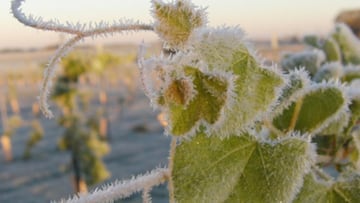

The official start of fall is just around the corner, and that will mean temperatures dropping and plants getting ready for the winter ahead. However, residents in some parts of the nation already had to break out their winter jackets before Labor Day after an unusually chilly cold spell poured over the nation from Canada.
While the weather can be unpredictable, thanks to data collected over the years by the National Oceanic and Atmospheric Administration (NOAA), we can have a pretty good idea of when to expect Jack Frost to be putting our more fragile plants at risk and take the necessary steps to prepare them.
When to expect the first frost
The first frost date, when the average day temperature drops to 32ºF, generally begins sooner at higher latitudes, as soon as 31 August and even earlier in some areas, and makes its way to lower latitudes through November and even into December.
However, NOAA notes that “elevation, latitude, topography, and development (for example, urban versus rural) can all play a role in affecting the date of the first freeze.” Urban and shoreline areas can expect to have a later freeze date than rural and inland areas.
The Farmer’s Almanac has a calendar that people can use to see when they can expect the first frost where they live. The publication warns that these are based on historical weather data from NOAA “and represent a 30% chance of frost occurring.”
First fall freeze dates (1981–2024 avg) show when frost risk potentially begins.
— CropProphet (@CropProphet) September 3, 2025
🌡️ 32°F: Early Sept in MT, WY, ND
🌡️ 30°F: About a week later
🌡️ 28°F: Mid-Sept across the Upper Midwest
Now is the time to monitor frost risk.#oatt #AgWx #frost #AgWeather #WxRisk #AgWeather pic.twitter.com/Akruiy9pLC
Taking care of your plants with frost on the way
Expect your basil, peppers, and tomatoes not to react too kindly to Jack Frost’s arrival. However, “hardier green vegetables, such as cabbage, brussels sprouts, and kale can be safely planted in some areas as they are cold tolerant,” explains NOAA.
You may need to put row covers or cloches over some of your plants to protect them from the coming cold or to squeeze out a little more time from the harvest season.
You will also want to get your spring bulbs in before the ground gets too hard to work.
However, for perennials you shouldn’t be giving them more fertilizer as it will discourage them from going dormant for the winter, notes The Farmer’s Almanac.
Related stories
Get your game on! Whether you’re into NFL touchdowns, NBA buzzer-beaters, world-class soccer goals, or MLB home runs, our app has it all.
Dive into live coverage, expert insights, breaking news, exclusive videos, and more – plus, stay updated on the latest in current affairs and entertainment. Download now for all-access coverage, right at your fingertips – anytime, anywhere.
Complete your personal details to comment