


Goodbye PBS and NPR? Trump wants to get rid of the media outlets that “spread radical, woke propaganda”
Funding for independent public media, a mainstay of American life for over 50 years, may come up for a vote in Congress. The outcome will be consequential.
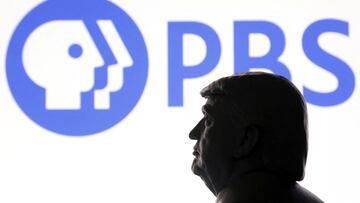

Congress passed and President Donald Trump signed into law a funding bill lin March that among other things provided another two years of funding for the Corporation for Public Broadcasting. However, the White House is now pushing to take back that money from the independent entity that helps fund public radio and television stations.
This is part of a long-running effort by politicians and activists on the right to defund public broadcasting system claiming that it is politically biased. However, those opposed to stopping government support for ad-free cultural, education and informational content, say it’s “about attacking the free press.”
“radical, woke propaganda disguised as ‘news’”
The White House published a list of grievances in mid-April against NPR and PBS claiming that they “spread radical, woke propaganda disguised as ‘news.’” The following day, Trump’s budget chief Russ Vought went on Fox News to say that “we’re really excited about” defunding public media. He confirmed that the administration was preparing a rescission proposal to send to Congress.
That was supposed to arrive before the end of April but hasn’t yet. Upon receiving such a proposal, Congress would either have to vote on it within a 45-day window or lawmakers can ignore it.
Pew Research shows that less than a quarter of Americans want to defund public broadcasting. That’s in contrast to the 43% of respondents that said both NPR and PBS should continue to receive funding from Washington.
“Americans will lose unique local programming and emergency services in times of crisis”
Leaders from the public broadcasters say that the depiction is completely wrong and people who don’t believe that only need to tune in. “There’s nothing more American than PBS,” said PBS CEO Paula Kerger in a statement. “Our work is only possible because of the bipartisan support we have always received from Congress.”
Furthermore, she added: “Without PBS member stations, Americans will lose unique local programming and emergency services in times of crisis.”
The CPB spreads out the funding that it receives among 1,500 public radio and TV stations across the country. That money represents only a portion, but a vital one, of how the stations finance their operations, with other funds coming from viewers, corporate sponsors and foundations. Most at risk from going off the air would be those local stations in remote areas, many of which are Republican strongholds.
How much does the federal government give to public media?
Compared to the overall federal government’s budget, funding for public media is a drop in the bucket. Congress set aside $535 million for each of the next two years in the funding proposal passed in March. That works out for each US taxpayer to about $1.60 per year, or a little more than the surplus Waffle House is charging if you order 3 eggs nowadays.
Related stories
Get your game on! Whether you’re into NFL touchdowns, NBA buzzer-beaters, world-class soccer goals, or MLB home runs, our app has it all.
Dive into live coverage, expert insights, breaking news, exclusive videos, and more – plus, stay updated on the latest in current affairs and entertainment. Download now for all-access coverage, right at your fingertips – anytime, anywhere.