


Goodbye to bicycles: the European capital that bans their use in pedestrian areas
A sweeping new rule will limit when bikes and e-scooters can cross the central pedestrian corridor, reigniting a debate over safety and mobility.
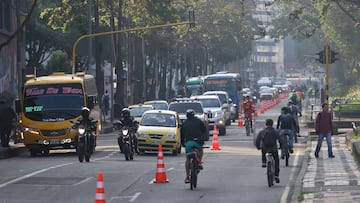
The city of Brussels has announced a new regulation that will ban bicycles and electric scooters from much of its central pedestrian zone, known as Le Piétonnier. Starting next year, these vehicles will be allowed to pass through the area only between 4:00 a.m. and 11:00 a.m.; outside those hours, users will have to dismount and walk their vehicle if they want to cross. City officials say the aim is to reduce conflicts in one of the capital’s busiest public spaces.
The affected area covers roughly 18,000 square meters (about 194,000 square feet) in the heart of the Belgian capital – a stretch that became pedestrian-only after the zone was expanded in 2015. The urban corridor was promoted as a way to revitalize downtown Brussels, create a greener and calmer environment, and curb motorized traffic. At the time, it was held up as a flagship project for reclaiming space from cars.
Municipal authorities say the move comes in response to a growing number of complaints about interactions between pedestrians and cyclists or scooter users, particularly when the existing speed limit of 6 km/h (around 3.7 mph) is ignored in the shared space. Officials argue that enforcement alone has not been enough to ease tensions.
Anaïs Maes, the city councillor responsible for urban mobility, said the regulation is meant to address safety concerns, especially those raised by older residents, families with children, and people with reduced mobility who feel uneasy amid the flow of bicycles, fearing they could be hit. “The sense of insecurity expressed by these groups has to be taken seriously,” she said.
Criticism over alternative routes
Cycling organizations and some road-safety groups have pushed back against the decision, calling it excessive. They argue that the alternative routes proposed for cyclists are unsafe, running along streets with heavy motorized traffic, multiple blind spots, and inadequate infrastructure to protect people who choose to travel by bike. In their view, the policy shifts risk rather than reducing it.
These groups have labeled the proposal “absurd” and are calling for a more balanced approach that would incorporate dedicated bike lanes within the urban core, instead of cutting off access altogether. They say banning cyclists undermines Brussels’ broader sustainability goals.
City officials counter that building exclusive lanes inside the pedestrian zone could encourage higher speeds and lead to even more conflicts between walkers and riders. Talks over the exact start date and the operational details of the ban are still ongoing. For now, the debate remains unresolved.
Authorities insist the measure was designed to protect pedestrians without completely eliminating sustainable mobility options, though critics maintain that cycling infrastructure across the city needs to be strengthened before such sweeping restrictions are enforced. The dispute highlights the delicate balance cities face between safety, accessibility, and greener transport.
Related stories
Get your game on! Whether you’re into NFL touchdowns, NBA buzzer-beaters, world-class soccer goals, or MLB home runs, our app has it all.
Dive into live coverage, expert insights, breaking news, exclusive videos, and more – plus, stay updated on the latest in current affairs and entertainment. Download now for all-access coverage, right at your fingertips – anytime, anywhere.
Complete your personal details to comment