


Goodbye to toilet paper: the alternative used in Asia and gaining traction in the U.S. and Europe
Given the high consumption of toilet paper each year, the option of installing a small hose next to the urinal is being considered.
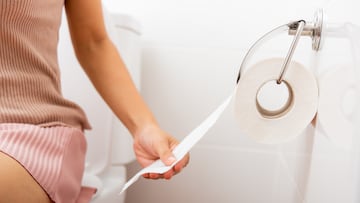
Is the future toilet paper free? The invention of toilet paper is credited to Joseph Gayetty, an American considered the modern inventor of commercially available sanitary products. It first appeared in 1857, but it wasn’t until 1890 that brothers Clarence and Irvin Scott gave it the rolled form we know today. Days that may now be numbered.
Why? Because of the enormous amount of paper consumed annually. It’s estimated that the average person uses between 15 and 25 kilograms (30 to 45 pounds) per year in regions like the United States, Canada, and Western Europe. Like other paper products, the toilet variety comes from turning trees into wood and then processing the product even further to arrive at bath tissue. This carries an environmental cost, and some are looking for alternatives.
A kind of hose
“Tissue paper represents around 10% of global paper product production. It’s not as significant as packaging, but it’s growing,” says Sergio Baffoni, senior campaign coordinator at the Environmental Paper Network. This type of paper (thin and made from cellulose pulp) has been criticized for contributing to deforestation.
Bidets are a common alternative, particularly in Southeast Asian countries such as Thailand, Malaysia, Singapore, and Indonesia. Some may also recognize them as bidets, which have been popular in some European countries for decades. “They not only significantly reduce toilet paper usage, but also require less water per use than the process of manufacturing forest-fiber tissue paper,” says the Natural Resources Defense Council. Sustainability
The European Union is not ruling out its potential widespread use. Recently, it agreed on regulations to ban the sale of products sourced from deforested lands, such as those involved in paper production. Last year, environmental activists protested in the European Parliament against toilet paper, replacing rolls with messages opposing its use.
In the United States, adding a bidet to one’s toilet bowl has been a growing trend. Evolve Business Intelligence estimates that by 2033, the bidet market in the US will be worth more than $5 billion, standing at just under $3 billion in 2023.
Related stories
Get your game on! Whether you’re into NFL touchdowns, NBA buzzer-beaters, world-class soccer goals, or MLB home runs, our app has it all.
Dive into live coverage, expert insights, breaking news, exclusive videos, and more – plus, stay updated on the latest in current affairs and entertainment. Download now for all-access coverage, right at your fingertips – anytime, anywhere.
Complete your personal details to comment