


Heinz Wuth, chef: “Rinsing rice is necessary, and I’ll explain why”
The creator of the channel ‘Science and Cooking’ clarifies exactly what is removed when washing rice and what happens after doing so.
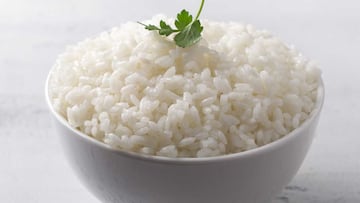
In Spain and Italy it’s not especially common, but across much of Asia — and even in parts of Latin America — rinsing rice before cooking is practically a given.
Some people swear by it, others insist it’s pointless. To settle the debate, food scientist and chef Heinz Wuth, creator of the popular channel Ciencia y Cocina (Science and Cooking), shared a video on social media breaking down what really happens when you wash rice.
Wuth firmly believes rinsing rice is worthwhile, but he starts by debunking one of the most repeated claims: that washing removes a large amount of starch from inside the grain. According to him, rinsing does wash away some starch, but barely — less than 3%. That tiny amount isn’t enough to explain the noticeable difference in texture many people experience.
So what is being washed away? Mostly a fine powder that coats the grains. This residue comes from the industrial milling process that removes the rice husk. Once that surface powder is rinsed off, the rice behaves very differently during cooking.
@soycienciaycocina ¿Lavas el arroz antes de cocinarlo? 🍚 Muchos dicen que es para quitar el almidón, otros que es por seguridad, y en varios países es casi una regla. Pero… ¿realmente sirve para algo? ¿cambia la textura? ¿queda más suelto o es solo costumbre? En este video hicimos pruebas reales: arroz lavado, sin lavar y marcado en aceite. Misma agua, misma cocción… resultados distintos. La ciencia explica qué ocurre en el grano y por qué a veces el arroz queda pegajoso y otras veces bien graneado. Míralo completo y decide tú cómo prefieres cocinar tu arroz 👀 ¿Tú lo lavas o no? ¡Espero que hayas aprendido!
♬ sonido original - Heinz Wuth - Ciencia y Cocina - Heinz Wuth - Ciencia y Cocina
What about arsenic and heavy metals?
Another common belief is that rinsing rice removes arsenic or other heavy metals. Wuth says this depends entirely on where the rice was grown and on each country’s food-safety guidelines. He stresses that there’s no need for alarm — context matters, and culinary traditions vary widely around the world.
The real game-changer: microcracks in the grain
The most interesting part, Wuth explains, lies in the grain’s structure. During industrial processing, machinery can create tiny microcracks in the rice. When you rinse the grains, those microcracks seal slightly on the surface. This prevents excess starch from leaking into the cooking water, which leads to fluffier, less sticky rice.
To prove it, Wuth ran a side-by-side test:
- washed rice cooked in plain water
- unwashed rice cooked the same way
- unwashed rice sautéed briefly in oil before boiling
The results were clear. The unwashed rice came out wetter and clumpier. The washed rice was noticeably looser. And the rice that was first coated in oil turned out the fluffiest of all.
Rinsing rice doesn’t dramatically change its composition — but it does give you more control over the final texture. For anyone who prefers rice that’s fluffy rather than sticky, a quick rinse makes a real difference.
Related stories
Get your game on! Whether you’re into NFL touchdowns, NBA buzzer-beaters, world-class soccer goals, or MLB home runs, our app has it all.
Dive into live coverage, expert insights, breaking news, exclusive videos, and more – plus, stay updated on the latest in current affairs and entertainment. Download now for all-access coverage, right at your fingertips – anytime, anywhere.
Complete your personal details to comment