


How this Pacific paradise is protecting its white-sand beaches and green parks from tourists and corporations
Sustainable tourism is the name of the game on the Cook Islands, where officials are working hard to preserve the region’s authentic beauty.
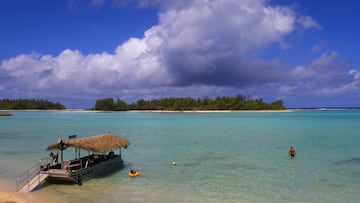
For some towns, cities and even countries, the tourism industry is a vital part of the economy and central to many people’s livelihoods. That often comes with a cost, but one remote chain of islands in the Pacific is proving that doesn’t have to be the case.
The Cook Islands are a grouping of islands in the South Pacific Ocean, a self-governing association of New Zealand. The Cook Islands is a place of incredible natural beauty with picture-perfect beaches and luscious greenery.
It is a major tourist destination for high-fliers from around the world but the Cook Islands have managed to steer clear of the high-rise hotels and neon lights that often cling to popular tourist haunts. This is no accident, and local officials have made a conscious effort to ensure that they remain committed to low-impact, sustainable tourism.
“People come here because it is a paradise uncluttered by over-development,” said Jeremy Goodwin of the Cook Islands Tourism Corporation (CITC). “Our sacred duty as custodians of the land is to look after our paradise.”
“Mana Tiaki means guardianship with a sacred purpose,“ he explained. “The beaches bring tourists to this holiday destination, but they also connect Cook Islanders to the ocean.”
On the islands it’s a principal that exists beyond tourism, extending to every part of life. Locals use sustainable fishing practices, moving around to prevent over-fishing in certain areas. They only fish for what is needed, ensuring that there is always enough for what they need.
A travel guide from the BBC explains that there is a law banning buildings taller than a coconut tree, ensuring that the land is not overdeveloped. That law was introduced by the island’s first premier, Albert Henry, back in 1965 and it has served to be a guiding principal going forward. No buildings can overshadow the natural beauty of the island.
Tourism will remain a key source of economic growth in the region but not at any cost. By preserving the islands now, they can ensure that they can continue to benefit from it. Goodwin explained: “This is our little paradise; if we all look after it, she will look after us.”
Related stories
Get your game on! Whether you’re into NFL touchdowns, NBA buzzer-beaters, world-class soccer goals, or MLB home runs, our app has it all.
Dive into live coverage, expert insights, breaking news, exclusive videos, and more – plus, stay updated on the latest in current affairs and entertainment. Download now for all-access coverage, right at your fingertips – anytime, anywhere.
Complete your personal details to comment