


If you have these symptoms, you may have liver problems
Liver problems don’t always present obvious symptoms. Certain changes in the body can give them away. Let’s take a closer look at the warning signs.
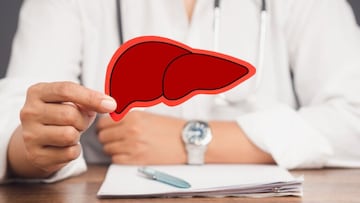

The liver is one of the most important organs in the body, yet also one of the quietest. It has an extraordinary ability to regenerate, which allows it to keep functioning even when it’s under stress or has suffered damage. But that same resilience means many liver problems can go unnoticed for years, since early‑stage issues often don’t cause obvious symptoms.
Persistent fatigue: one of the most common early signs
One of the symptoms people report most often is persistent fatigue. The liver plays a key role in metabolism, detoxification, and energy balance. When it isn’t working properly, the body has less energy available. That’s why ongoing tiredness — the kind that doesn’t improve with rest — can sometimes be linked to liver issues, even though many people chalk it up to stress or poor sleep.
Digestive discomfort can also appear, including bloating, nausea, or a reduced appetite. Because the liver helps break down fats, any disruption in this process can make it harder to tolerate certain foods. These symptoms tend to be mild or come and go, which often delays suspicion that something might be wrong.
Visible signs and physical changes
One of the most recognizable signs of liver trouble is jaundice — a yellowish tint to the skin and the whites of the eyes. This happens when bilirubin builds up in the body because the liver isn’t processing it correctly. Jaundice can signal liver disease or a problem in the bile ducts.
Other possible indicators include unexplained itching, small spider‑like veins on the skin, dryness, or changes in skin color. Dark urine and pale stools may also appear, suggesting that bile isn’t reaching the intestines as it should. Some people experience pain or pressure in the upper right side of the abdomen, along with an increased tendency to bruise or bleed.
Why liver disease can be especially dangerous
Liver disease can be particularly risky because the organ is so good at compensating for damage. It can continue functioning for years before symptoms become noticeable. That’s why regular medical checkups and routine lab tests are essential — especially for people with risk factors such as alcohol use, excess weight, diabetes, or long‑term medication use.
Related stories
Get your game on! Whether you’re into NFL touchdowns, NBA buzzer-beaters, world-class soccer goals, or MLB home runs, our app has it all.
Dive into live coverage, expert insights, breaking news, exclusive videos, and more – plus, stay updated on the latest in current affairs and entertainment.Download now for all-access coverage, right at your fingertips – anytime, anywhere.
Complete your personal details to comment