


Longfei Shu, researcher, warns about brain-eating amoeba living “inside water distribution systems that people assume are safe”
Headlines talking about someone getting infected with a brain-eating amoeba catch our attention. Researchers are warning they may become more common.
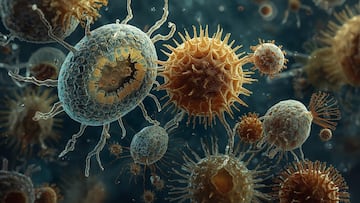

It seems like something out of a horror movie when from time to time we come across a headline that reads “Man dies from brain-eating amoeba.” These eye-catching events typically occur in the summertime when conditions are more favorable for these microscopic organisms like Naegleria fowleri.
Fortunately, cases of people getting infected with this brain-eating amoeba and other free living amoebae are exceedingly rare. Unfortunately, scientists are warning that they are becoming a “rising threat” worldwide thanks to climate change, aging water systems and insufficient resources for detecting their presence.
Hardy microbes that serve as ‘Trojan horses’
In a paper published in the journal Biocontaminant, a group of scientists called these amoebic pathogens “a global public health challenge” and pointed to two species that are of special concern, Acanthamoeba and the previously mentioned Naegleria fowleri.
Prelims 2025
— Arshpreet Singh | UPSC Talks | Mentor | (@arsh1902) February 11, 2025
NAEGLERIA FOWLERI
Rare brain infection caused by it-Primary Amoebic Meningoencephalitis
-Free-living amoeba found in warm freshwater & soil
-Enters body through nose during swimming & travels to brain where it destroys brain tissue
-non-communicable brain infection pic.twitter.com/NZSM0qbhPs
While these microscopic organisms are commonly found in water and soil, what makes these protozoa so dangerous is that they can survive in extreme environmental conditions that would kill other pathogens. These include elevated acidity, high temperatures, and strong disinfectants like chlorine “making them resistant to standard water treatment approaches,” the authors state.
“What makes these organisms particularly dangerous is their ability to survive conditions that kill many other microbes,” said one of the authors, Longfei Shu of Sun Yat sen University in a statement. He added that this allows them to “live inside water distribution systems that people assume are safe.”
Even more concerning is that other pathogens like bacteria, fungi, and viruses can hitch a ride inside these microbes turning them into vectors for these biocontaminants. They can also serve as reservoirs of antibiotic resistant genes.
As a “Trojan horse,” they protect the other microbes from sanitation treatments “thus facilitating the survival, dissemination, and even the spread of antimicrobial resistance among pathogens in aquatic and soil ecosystems,” the authors warn.
The researchers call for a One Health approach which they say “is crucial for mitigating amoeba-related risks effectively.” This coordinated approach would integrate environmental science, human health, and water management.
“Given the rising global incidence of amoeba-related diseases, there is an urgent need for more proactive public health surveillance and intervention efforts,” the author urge.
“Amoebae are not just a medical issue or an environmental issue. They sit at the intersection of both, and addressing them requires integrated solutions that protect public health at its source,” Shu said.
Related stories


Get your game on! Whether you’re into NFL touchdowns, NBA buzzer-beaters, world-class soccer goals, or MLB home runs, our app has it all.
Dive into live coverage, expert insights, breaking news, exclusive videos, and more – plus, stay updated on the latest in current affairs and entertainment. Download now for all-access coverage, right at your fingertips – anytime, anywhere.
Complete your personal details to comment