


More turbulence on planes lately? Climate change could be to blame, according to experts
Scientists warn clear-air turbulence is becoming more frequent as global warming strengthens jet streams, creating bumpier and riskier flights.
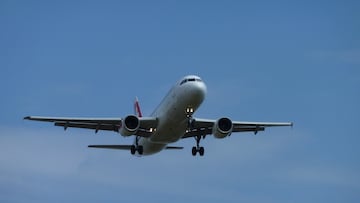

Have you noticed more bumps during your air travels recently? You’re not imagining it, growing research suggests turbulence is becoming a side effect of climate change.
The different types of turbulence
Turbulence comes in different forms. One is convective turbulence, caused by rising or falling air from clouds or thunderstorms. This type can often be spotted on radar or visually, making it possible for aircraft to avoid.
Mountain wave turbulence is just as it sounds, related to the movement of wind between and around mountain peaks.
But clear-air turbulence (CAT) is widely considered the most dangerous form because it is invisible.
Why clear-air turbulence is on the rise
CAT can develop in jet streams at the same altitudes where commercial planes fly. These conditions create turbulence through wind shear, sudden changes in wind speed and direction that put stress on aircraft.
Climate change is making CAT more common in certain regions. That is because the tropics, the areas near the equator, are warming faster at cruising altitudes than higher latitudes. This growing temperature difference strengthens jet streams and wind shear, leading to more turbulence.
What scientists and airlines are finding
Mohamed Foudad, an atmospheric scientist at the University of Reading in the United Kingdom, found a “clear, positive trend” when he and colleagues analyzed data from 1980 to 2021. They reported “an increase in turbulence frequency over many regions, including the North Atlantic, North America, East Asia, the Middle East, and North Africa” of between 65 and 155 percent.
In a separate study, Isabel Smith, also of the University of Reading, discovered that for every degree Celsius of near-surface warming, there is a projected nine percent increase in moderate CAT during North Atlantic winters, rising to 14 percent in summers.
Airlines can optimize flight paths to avoid turbulence hotspots and adjust procedures to keep passengers buckled in longer. Emerging lidar technology could also help crews detect previously invisible turbulence. Still, unless climate change and greenhouse gas emissions are reversed, passengers should prepare for more bumpy flights in the years ahead.
Related stories
Get your game on! Whether you’re into NFL touchdowns, NBA buzzer-beaters, world-class soccer goals, or MLB home runs, our app has it all.
Dive into live coverage, expert insights, breaking news, exclusive videos, and more – plus, stay updated on the latest in current affairs and entertainment. Download now for all-access coverage, right at your fingertips – anytime, anywhere.
Complete your personal details to comment