


Myth busted: The fall equinox doesn’t mean exactly 12 hours of day and 12 hours of night
For much of the planet, the 2025 fall equinox occurs this Monday when day and night are supposed to be of “equal lengths,” but that isn’t really the case.
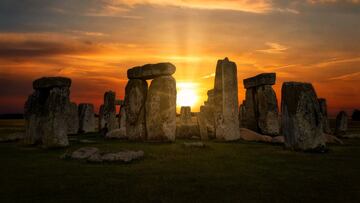

This year the fall equinox, when the Sun lines up with the equator, will occur for many of Earth’s inhabitants on Monday 22 September. The name of the astronomical event comes from the Latin word equinoxium, which means “equality between day and night.”
However, that isn’t really the case for anywhere on the planet, although it’s pretty close to 12 hours of light and 12 hours of darkness. Here’s a look at why that is.
The not so “equal” equinox
Thanks to the curvature of the Earth and its atmosphere, the sun appears to rise before it is actually above the horizon and similarly stays in the sky even after it as gone below during a sunset. This is due to the rays of light being bent.
Even though the Sun is aligned with the equator and its rays are seen at both the North and the South Poles, those who live at higher latitudes will actually have a longer day than those at the equator, which experiences nearly equal days and nights all year long.
Instead of the roughly 12 hours and 6 minutes of sunlight at the equator, those near the Artic and Antarctic Circles will have around 12 hours and 22 minutes of sunlight on the equinox. This is because it takes the Sun longer to rise and set the nearer to the poles.
The arrival of a new season as seen from space!
— ESA Earth Observation (@ESA_EO) September 24, 2024
On 22 September the equinox marked the beginning of Autumn in the Northern Hemisphere and of Spring in the Southern Hemisphere.
This animation shows how the terminator line moved from December 2023 to 20 September 2024.
📸… pic.twitter.com/GSxjRmlOHp
However, while those who live near the equator have days that are always the same length of time, those at higher latitudes experience dramatic changes in the amount of light and darkness they get over the course of a year.
In the Northern Hemisphere, eternal darkness will spread south from the pole with each passing day until the Winter Solstice, while the opposite will occur over Antarctica, being bathed in permanent sunlight. Then the effect will reverse culminating in the Summer Solstice.
Related stories
Get your game on! Whether you’re into NFL touchdowns, NBA buzzer-beaters, world-class soccer goals, or MLB home runs, our app has it all.
Dive into live coverage, expert insights, breaking news, exclusive videos, and more – plus, stay updated on the latest in current affairs and entertainment. Download now for all-access coverage, right at your fingertips – anytime, anywhere.
Complete your personal details to comment