


Need to stay focused? These headphones help boost productivity, but there’s a catch
Cutting-edge brain-sensing headphones track your focus in real time, but could privacy concerns hold back widespread use?
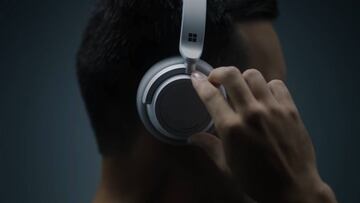

Staying focused in today’s world full of distractions can be a real challenge. But, as ever, technology is stepping in to help make it easier.
Several headphones on the market now feature brain-computer interfaces that analyze your brain’s electrical signals. These devices notify you via an app when you’re losing focus and suggest when to take a break.
Neurable is one company that has created such headphones, including the Master & Dynamic MW75 Neuro, which cost around $600. The startup is also exploring ways to bring this technology to other devices, including earbuds, glasses, and helmets.
How do the headphones work?
The headphones use electroencephalography (EEG) sensors to collect brain data. Algorithms then interpret these signals and send insights to an accompanying app.
They can, therefore, read your mind, although not in the sense you might think. At least not for now. At least, not yet. They don’t know your thoughts but instead detect your brain’s current state.
By analyzing brainwave frequencies, the device can tell if you’re feeling rested, anxious, deeply focused or losing concentration.
How devices could revolutionize medical science
So far, measuring focus has been the main goal of this technology. But according to Neurable’s co-founder and CEO Ramses Alcaide, a neuroscientist, it could also help track and improve brain health.
“Biologically, your brain is designed to hide your weaknesses: It’s an evolutionary effect,” Alcaide explained to Vox. “But when you’re measuring from the source, you pick up those things as they’re occurring, instead of once there’s finally downstream consequences, and that’s the real advantage of measuring the brain.”
Experts believe devices like these could one day help detect depression or even spot neurological disorders such as Alzheimer’s in their earliest stages, potentially revolutionizing medical science.
Privacy concerns
However, there are also concerns that neurotechnology could be misused, with users’ brain data at risk of exploitation.
A report by the Neurorights Foundation found that many companies selling neurotechnology products online can access users’ brain data without meaningful limits, raising fears that this sensitive information could end up in the hands of third parties.
In response, states like California, Colorado, and Montana have passed privacy laws specifically protecting brain data collected by these devices.
Currently, these headphones collect only basic information about brain states. But as future technologies, including artificial intelligence, advance, there is growing concern that more sensitive information, like medical conditions or even thoughts, could be leaked and exploited.
Related stories
Get your game on! Whether you’re into NFL touchdowns, NBA buzzer-beaters, world-class soccer goals, or MLB home runs, our app has it all.
Dive into live coverage, expert insights, breaking news, exclusive videos, and more – plus, stay updated on the latest in current affairs and entertainment. Download now for all-access coverage, right at your fingertips – anytime, anywhere.
Complete your personal details to comment