


Neither California nor Florida: This is the state that causes the most power outages during heat waves
ERCOT’s isolated grid makes Texas the blackout leader during heat waves, outpacing even Florida and California.
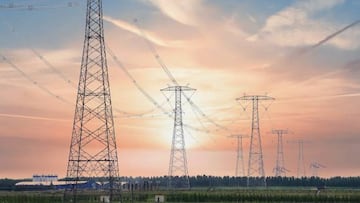

Many communities in the U.S. rang in the seasonal change to summer with extreme and dangerous heat, putting pressure on energy grids as air conditioners were flipped on. In 2024, Climate Central reported that between 2013 and 2023, the number of heat-related power outages in the U.S. rose 60 percent compared to the number recorded between 2000 and 2009. The report highlights how a lack of investment in the country’s energy infrastructure, combined with higher average temperatures, has led to systems failing at a dramatic rate.
But when it comes to the resilience of a state’s power grid, which one is most likely to fail during heat waves?
Surprisingly, in the largest energy-producing state, residents are the most likely to experience outages during extreme heat. Texas—a state known for both its energy independence and its recurring grid problems—leads the nation in heat wave-related blackouts. Climate Central noted in its report that heat-related power outages across the South accounted for 61 percent of the total, with events in Texas making up the largest share.
Texas: The Outage Epicenter
In 2023, around 13 percent of all power outages in the U.S. occurred in Texas. Although the state is a major energy producer, the data show that this status doesn’t necessarily translate to reliability for residents. Texas has experienced population growth over the last decade, and as climate change leads to higher average temperatures, the grid is pushed to its limits as more people use more energy.
Texas’s energy setup, operated by the Electric Reliability Council of Texas (ERCOT), has allowed for a deregulated energy market that claims to offer lower prices but also introduces vulnerabilities. Public Citizen reported in May that the Texas grid is made even more vulnerable by the fact that lawmakers have refused to take up legislation that would enhance the grid’s ability to absorb more demand, including initiatives that would increase the amount of energy the state can generate through renewables like solar and wind.
Unlike the interconnected grids of other neighboring states, which allow for more energy to be quickly surged to areas that need it, the grid in Texas is isolated.
During heat waves, when air conditioners hum nonstop and electricity demand spikes, ERCOT has frequently issued warnings of potential rolling blackouts or “grid emergencies.” For residents, these warnings are meant to help avoid system overload, with ERCOT advising businesses and households to raise thermostats to a “safe and comfortable” level (though often higher than many would prefer), and to avoid running large appliances like washing machines, dryers, or dishwashers during the hottest parts of the day.
In the summers of 2022 and 2023, Texans saw near-daily calls for conservation during peak heat hours. In some cases, supply couldn’t keep up with demand, leading to localized outages or the risk of system-wide failures. However, ERCOT CEO Pablo Vegas has said that although his organization expects energy demand to be the highest ever recorded in the state’s history this summer, they anticipate the number of outages to decrease.
Dr. Michael Webber, a professor at the University of Texas at Austin, who focused on energy systems, explained in an interview with KVUE that “while more power resources are still needed, the growth in peak demand is not as high as it could have been.” Changes to the state’s grid, which include additional batteries and storage and greater flexibility by operators, could reduce the pressure on the system and thus lower the number of outages, says Dr. Webber. KVUE pointed to recent comments from ERCOT that emphasize the important role of increasing solar energy production and battery storage (which can be pushed onto the grid during periods of higher demand), for “lowering the risk of tight grid conditions and forced outages this summer.”
ERCOT's Kristi Hobbs told the ERCOT Board the risk of energy emergencies is much lower this summer. We've added about 10,000 megawatts in a year "most of it from solar and batteries, that puts us in a better position." Indeed. 16% chance last summer and 0.48% this summer. pic.twitter.com/iAAW7LH0ZL
— Doug Lewin (@douglewinenergy) June 23, 2025
Summer is not the only time of the year that Texas’s grid can be pushed to its limits
Related stories
However, the problems with Texas’s grid don’t only materialize in the summer. Heaters can require more energy than air conditioning, and in the winter of 2021, the Lone Star State was hit with an unprecedented storm that brought freezing temperatures across the region. The Baker Institute for Public Policy released a report showing that in February 2021, energy demand reached levels typically seen on the hottest summer days. But there was one major difference: while summer demand hits those system-threatening levels for just a few hours, the prolonged cold kept demand elevated for consecutive days, leading to the eventual collapse of the grid. Increasing battery storage is critical to ensuring a crisis like that associated with Winter Storm Uri, which claimed 246 lives across the stat,e doesn’t happen again.
Get your game on! Whether you’re into NFL touchdowns, NBA buzzer-beaters, world-class soccer goals, or MLB home runs, our app has it all. Dive into live coverage, expert insights, breaking news, exclusive videos, and more – plus, stay updated on the latest in current affairs and entertainment. Download now for all-access coverage, right at your fingertips – anytime, anywhere.
Complete your personal details to comment