


Neither nuclear nor solar: France is becoming a superpower in the energy that will power giant ships
Green hydrogen and fuel cells are placing the country at the forefront of decarbonizing maritime transport.
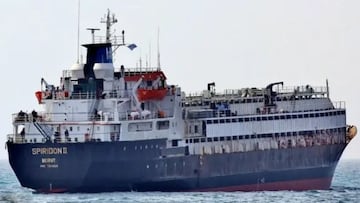
For decades, France has been synonymous with nuclear power and, more recently, with a strong push for renewable energy sources such as solar and wind. However, a new player is gaining ground in the country’s energy strategy: green hydrogen, a technology poised to transform sectors that are difficult to electrify, including large-scale maritime transport.
In this context, French company HDF Energy and Swiss technology group ABB have signed a strategic agreement to develop multi-megawatt hydrogen fuel cell systems capable of supplying electricity to massive vessels such as ferries, cargo ships, and specialized ships. The goal is clear: to drastically reduce CO₂ emissions from an industry that today relies almost entirely on diesel.
What is a fuel cell?
Fuel cells generate electricity through an electrochemical reaction between hydrogen and oxygen, without combustion. When hydrogen is produced using renewable energy, known as green hydrogen, the process produces no polluting emissions, since the only byproduct is water.
The project involves the development of high-power systems, This technology makes it possible to produce continuous, quiet, and emission-free power, a crucial advantage for ships that require constant energy over long periods.
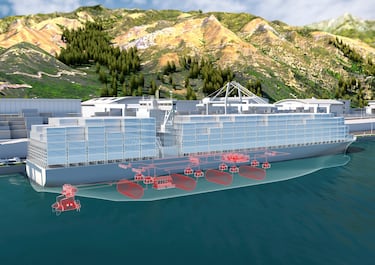
The project focuses on developing high-power systems, one of the major technological barriers to adopting hydrogen in the maritime sector. HDF Energy will handle the design, manufacturing, and validation of the fuel cells, while ABB will contribute its expertise in electrical integration, connecting these power sources to onboard systems, batteries, and internal ship networks.
The first prototypes could begin testing on real vessels between 2028 and 2029, with industrial-scale production targeted for 2030. A key part of the project will take place in Blanquefort, in the Nouvelle-Aquitaine region, where HDF Energy is developing an industrial plant that strengthens France’s role as a European hub for hydrogen.
Beyond its industrial impact, the initiative carries a strong climate component. Maritime transport accounts for nearly 3 percent of global CO₂ emissions, and international regulatory pressure to reduce them continues to grow. In this scenario, France is not only seeking to adapt, but to lead an energy transition that could redefine the future of the oceans and global trade.
Related stories
Get your game on! Whether you’re into NFL touchdowns, NBA buzzer-beaters, world-class soccer goals, or MLB home runs, our app has it all.
Dive into live coverage, expert insights, breaking news, exclusive videos, and more – plus, stay updated on the latest in current affairs and entertainment. Download now for all-access coverage, right at your fingertips – anytime, anywhere.
Complete your personal details to comment