


New finding about Stonehenge: the stone blocks were transported by humans, according to a study
A detailed analysis of the mineral sediments around the monument rules out the possibility that glaciers transported the stones.
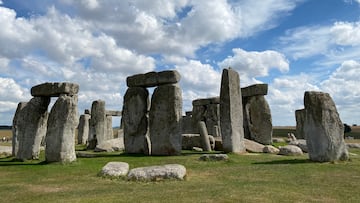
A team of researchers has uncovered new evidence about how the enormous stones that make up Stonehenge were transported to southern England — and their findings strongly support the idea that prehistoric people, not glaciers, moved them. The study, published in Nature Communications Earth & Environment, analyzed sediments and minerals surrounding the iconic monument.
Stonehenge’s building blocks were not carried by glaciers
For decades, some scientists have argued that ancient glaciers might have dragged huge rocks from Wales or Scotland down to the Salisbury Plain, where Stonehenge stands today. If that were true, researchers would expect to find mineral traces from those regions in the surrounding soil. But the new analysis found no such evidence.
To test the glacier hypothesis, scientists examined more than 700 microscopic grains of minerals such as apatite and zircon found in river sands near Stonehenge. These minerals contain tiny amounts of uranium, which slowly decays into lead over time. By measuring the ratio of uranium to lead, researchers can estimate the age of each grain — and determine where it originally formed.
The results showed no meaningful matches to regions that would indicate glacial transport. In other words, the stones didn’t hitch a ride south on ancient ice sheets.
So how did the stones get there?
With the glacier theory effectively ruled out, the study strengthens the long‑standing idea that prehistoric communities transported the stones themselves. This monumental effort would have taken place between roughly 3000 and 1600 B.C., spanning the Neolithic and Bronze Age.
The massive outer stones, known as sarsens, are sandstone blocks averaging about 13 feet tall and weighing around 25 tons each. They came from West Woods, roughly 15 miles from Stonehenge.
Sunrise at Stonehenge today (25th January) was at 7.54am, sunset is at 4.45pm 🌤️ pic.twitter.com/92PsLZsZWy
— Stonehenge U.K (@ST0NEHENGE) January 25, 2026
The inner stones — the famous bluestones — are made of dolerite and originated in the Preseli Hills of Wales, about 185 miles away. Another key stone, the so‑called Altar Stone, may have come from as far as northeastern Scotland, nearly 465 miles from the monument.
Although the study doesn’t pinpoint the exact methods used to move these stones, archaeologists have proposed several possibilities.
Theories include transporting them along coastal or river routes using boats or barges, then hauling them over land with sledges, wooden rollers, ropes, and lever systems.
Related stories
Get your game on! Whether you’re into NFL touchdowns, NBA buzzer-beaters, world-class soccer goals, or MLB home runs, our app has it all.
Dive into live coverage, expert insights, breaking news, exclusive videos, and more – plus, stay updated on the latest in current affairs and entertainment. Download now for all-access coverage, right at your fingertips – anytime, anywhere.
Complete your personal details to comment