


Northern Lights alert: Where you can catch them today, Wednesday, August 20
Some residents of the Lower-48 may be able to catch a glimpse of the Aurora Borealis on Wednesday, August 20.
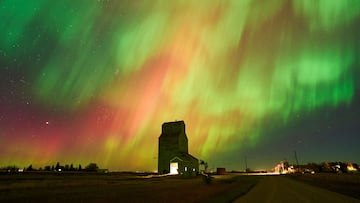

The Aurora Borealis, commonly known as the Northern Lights, occurs when solar wind reaches and reacts with the Earth’s magnetic field. i
The beautiful lights that dance across the night sky might be visible from more than a dozen US states this evening. A treat, as the further south a person lives, the less likely they are to be able to catch a celestial glow.
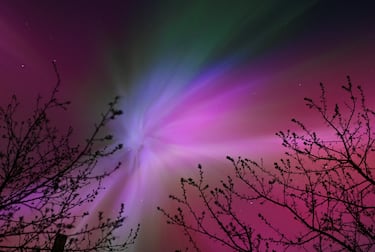
What causes the Aurora Borealis?
The Northern Lights, also known as Aurora Borealis, are created when highly charged particles from the Sun are funneled by the Earth’s magnetic field and enter the atmosphere at high speed. As these particles interact with the upper atmosphere at altitudes of 60 to more than 250 miles, they ionize the atmosphere, resulting in a colorful display of light across the sky.
The lights can appear in various colors, including vibrant greens and purples. The Northern Lights are most commonly seen in the polar regions, with the best viewing anywhere with a magnetic latitude above 55º and low light pollution. You can find your magnetic latitude either at NOAA or World Data Center for Geomagnetism.
Where will the Aurora Borealis be visible?
The intensity of the event is expected to allow viewing from as far south as southern Minnesota and northern Iowa. The National Atmospheric and Oceanic Administration (NOAA) forecast for August 20, 2025, shows that the northern lights might be visible in:
- Alaska
- Idaho
- Iowa
- Maine
- Michigan
- Minnesota
- Montana
- New Hampshire
- New York
- North Dakota
- South Dakota
- Vermont
- Washington
- Wisconsin
- Wyoming.
Where are they typically visible in the US?
During less intense geomagnetic periods, Alaska is the only US state where the northern lights can be viewed regularly. NOAA reports that the lights are most likely to be seen between September and April as the days are shorter and nights are “often their darkest.”
Related stories
Get your game on! Whether you’re into NFL touchdowns, NBA buzzer-beaters, world-class soccer goals, or MLB home runs, our app has it all.
Dive into live coverage, expert insights, breaking news, exclusive videos, and more – plus, stay updated on the latest in current affairs and entertainment. Download now for all-access coverage, right at your fingertips – anytime, anywhere.
Complete your personal details to comment