


Pedro Sanchez, Spanish PM responds to Elon Musk: “Let the techno-oligarchs bark, Sancho, it’s a sign that we’re riding.” What does he mean?
Pedro Sanchez turned the tables on Elon Musk after the tech billionaire attacked the Spanish PM for his plans to protect youth from the “digital wild west.”
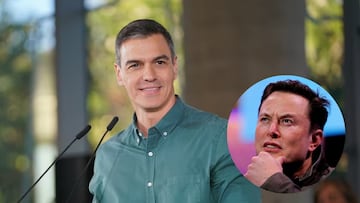

Spanish Prime Minister Pedro Sanchez drew the fury of Elon Musk when he announced his plans to protect children from the “digital wild west” of social media. The tech billionaire took to his social media platform to personally insult the prime minister, calling him “Dirty Sanchez” and saying that he “is a tyrant and traitor to the people of Spain.”
The owner of X must have had a real bee in his bonnet, understandable as the French authorities had raided X offices in Paris and summoned Musk as part of a cybercrime probe, for he later posted: “Sánchez is the true fascist totalitarian.”
He wasn’t the only owner of a popular social media platform to take issue with the proposal which would ban social media for those under 16, hold platform executives criminally liable for “illegal, hateful, or harmful” content, criminalize algorithm amplification of “harmful” content, and make platforms monitor and report on content that fuels division.
Pavel Durov, Russian billionaire and owner of the social network Telegram, also attacked Sanchez’s plan, sending a mass message to all the users of his platform in Spain.
Sanchez wasn’t cowered by the frontal assault from Musk and Durov, punching back with “a phrase that will go down in history,” says the HuffPost. The Spanish PM posted on social media: “Let the techno-oligarchs bark, Sancho, it’s a sign that we’re riding.” What does he mean and where does the expression come from?
Deja que los tecno-oligarcas ladren, Sancho, es señal de que cabalgamos.
— Pedro Sánchez (@sanchezcastejon) February 4, 2026
“If the dogs bark, Sancho, it’s a sign that we’re riding”
HuffPost points out that, perhaps to the dismay of many Spaniards, the saying isn’t a play on one from ‘Don Quixote’ by Miguel de Cervantes, despite popular belief. According to the experts, the first written record of a similar phrase comes from an 1808 work ‘Kläffer’ (The Barker/Yelper) by German poet Johann Wolfgang von Goethe.
“We ride hither and thither, in search of pleasure and business; But it always barks after us, and barks with all its might. So the Spitz from our stable wants to accompany us forever, and the loud sound of its barking only proves that we are riding.”
Johann Wolfgang von Goethe: Kläffer
That poem in turned inspired the Nicaraguan poet Rubén Darío to coin the expression: “Si los perros ladran, Sancho, es señal que cabalgamos”, which translates to English as: “If the dogs bark, Sancho, it is a sign that we are riding.”
On the other hand, there are others who say that the phrase is attributed to Miguel de Unamuno in a poem by Goethe: “Los perros ladran, pero la caravana Avanza”, which translates to English as: “The dogs bark, but the caravan moves on.”
Related stories
Get your game on! Whether you’re into NFL touchdowns, NBA buzzer-beaters, world-class soccer goals, or MLB home runs, our app has it all.
Dive into live coverage, expert insights, breaking news, exclusive videos, and more – plus, stay updated on the latest in current affairs and entertainment. Download now for all-access coverage, right at your fingertips – anytime, anywhere.
Complete your personal details to comment