


Science explains why there are fewer and fewer insects
Experts warn that the rapid disappearance of these animals poses a serious threat to nature and are calling for urgent solutions to prevent further damage.
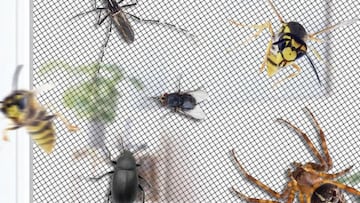
Although this crisis went largely unnoticed for years, the evidence now leaves little room for doubt. The world is not only losing insects, but the rich diversity that once defined them is also shrinking at an alarming rate.
That is the main warning from a team of researchers led by Florian Menzel, a professor at the Institute of Molecular Evolution and Organismal Biology at Johannes Gutenberg University Mainz. We are witnessing a “global crash” in insect populations in real time the expert warns. He also helped spearhead the publication of a special report aimed at documenting this decline and better understanding its causes and consequences.
The study, published by Royal Society in the journal Biology Letters, brings together two opinion pieces, ten long-term analyses based on data spanning roughly 10 to 120 years, and two large-scale studies focused on how insects survive within their ecosystems.
Read #BiologyLetters special feature on #insectdecline https://t.co/X18VtBWQk0, by Florian Menzel, Martin Gossner, @Tritotanus . Approaches include linking #insectpopulation trends and species’ functional traits, and exploring the spatial variation in population trends pic.twitter.com/4lwPOdujIJ
— Royal Society Publishing (@RSocPublishing) April 18, 2023
The causes behind this phenomenon
The research points to three main drivers behind this trend: the intensification of human land use, climate change, and the spread of invasive animal species through global trade. The situation is even more serious because these three factors reinforce one another.
Menzel explains that an ecosystem already damaged by human activity is far more vulnerable to climate change, and the same is true for the insects that live there. In addition, invasive species have a much easier time establishing themselves in these degraded habitats, often displacing native species in the process. As a result, while most local species decline or disappear, a small number of invasive ones thrive and eventually come to dominate entire environments.
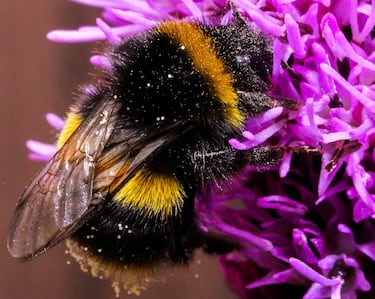
If we lose that diversity, nature becomes less stable. This can be seen in bumblebees: when there are fewer distinct species, the populations of plants that depend on them also begin to decline. In the end, losing insects also means losing pollination and natural pest control. That weakens the very foundation of the food chain and ultimately affects everything from birds and reptiles to large mammals.
Urgent measures to prevent extinction
Despite the seriousness of the situation, the editorial, written together with biologist Nadja Simons and forest entomology professor Martin Gossner, outlines several ways to combat the threats these communities face today.
First, the researchers advocate using standardized methods to monitor insect diversity across multiple countries, with particular emphasis on regions of the world where the true condition of insect populations is still poorly understood.
They also propose creating a large network of interconnected nature reserves so that species can move from one habitat to another. This would allow insects that are less tolerant of heat to migrate away from areas affected by extreme temperatures caused by global warming and toward cooler regions or higher elevations where they may be able to survive.
Finally, they stress the urgent need to control the spread of invasive species that travel through trade and tourism. According to the researchers, this problem has continued to grow and has “become extremely serious in the last decades.”
Related stories
Get closer to the game! Whether you like your soccer of the European variety or that on this side of the pond, our AS USA app has it all. Dive into live coverage, expert insights, breaking news, exclusive videos, and more. Plus, stay updated on NFL, NBA and all other big sports stories as well as the latest in current affairs and entertainment. Download now for all-access coverage, right at your fingertips – anytime, anywhere.
And there’s more: check out our TikTok and Instagram reels for bite-sized visual takes on all the biggest soccer news and insights.
Complete your personal details to comment