


Scientists decode the secret language of New York rats: “They’re just kind of screaming to each other”
A research team spent July recording rodent chatter with ultrasonic equipment in New York City’s most rat-infested neighborhood: Manhattan.
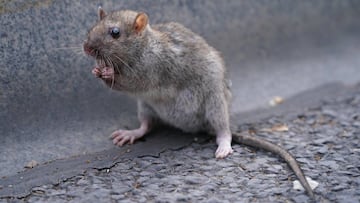
For several years now, New York City has been grappling with a sanitation crisis unlike anything in recent memory. Once hailed as the ultimate symbol of cosmopolitan life, the Big Apple is now dealing with a rodent infestation so severe, it’s being described by residents and officials alike as “apocalyptic.”
From the subways to the sidewalks, rats have become an unavoidable part of daily life for millions of New Yorkers. Overflowing trash bins, aging infrastructure, and dense urban living have created a perfect storm for the city’s estimated 3 million rats - approximately one for every three humans...
The worst parts of New York City for rats
In New York City, the most densely-populated rat area is Manhattan (approximately 200 per square mile, give or take a few...), followed by Brooklyn, the Bronx, Queens then Staten Island.
This summer, a US-German research team joined forces to study how these rodents behave and interact with each other in a wild urban environment - in one of the biggest modern cities in the world.
Using thermal imaging and ultrasonic audio recordings, the team tracked rats’ movement patterns and reconstructed their main foraging environments: subways, streets and parks.
Dueling rats show off their ninja skills on NYC subway platform pic.twitter.com/0R05pnfy4C
— New York Post (@nypost) August 30, 2025
Younger rats tend to be more talkative
One of the key findings was how NYC rats communicate to each other. Packs of rats chatter and squeak to each other constantly as they scavenge for discarded food in the city’s trash and while scurrying through the sewer system.
That in itself was a new discovery as not all parts of New York City have the same ambient level of sound - for example, for rats, communicating to each other in noisy environments such as the subway, isn’t the same as among the foliage of Central Park in the quiet hours of the morning (The subway environment is approximately 12 dB louder).
But one thing we do know about rats is that they are highly adaptable, with the ability to modify their habits to an urban environment that is constantly changing and evolving.
Rats raise their voice
The ultrasonic recordings made by the Basis Research Institute showed that NYC rats changed their vocalizations in relation to ambient noise levels.
Dr. Emily L. Mackevicius noted one example of when an ambulance, with siren wailing drove by as they were recording some rat chatter. “The rat vocalizations were louder than the ambulance. They’re just kind of screaming to each other, but we just don’t hear it.”
What the rats might be discussing between themselves is another issue altogether. Whether they are communicating to alert other rats about a bumper banquet hidden in the garbage or just emitting their current location like bats do, is something the researchers do not know. “We don’t understand that yet, but why would you vocalize for no reason, if not to some end?”
Related stories
Get your game on! Whether you’re into NFL touchdowns, NBA buzzer-beaters, world-class soccer goals, or MLB home runs, our app has it all.
Dive into live coverage, expert insights, breaking news, exclusive videos, and more – plus, stay updated on the latest in current affairs and entertainment. Download now for all-access coverage, right at your fingertips – anytime, anywhere.
Complete your personal details to comment