


Scientists warn most apples tested contain multiple pesticide residues
A new report found the vast majority of apples analyzed carried traces of several pesticides, raising concerns about cumulative exposure.
Food plays a crucial role in our development, and fruits are an essential part of a healthy diet thanks to the many benefits they provide for the body.
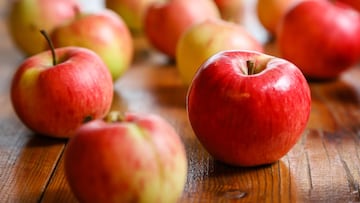
However, one fruit in particular has come under scrutiny: apples. According to new research, most apples tested contain traces of pesticides.
That conclusion comes from a report by the nonprofit Pesticide Action Network Europe (PAN Europe), which worked with 13 other organizations to analyze 59 apple samples produced in Spain and 12 other countries. The study found that 85% of the apples contained residues from one or more pesticides.
On average, each apple contained three different pesticides, although in some cases researchers detected as many as seven.
Similar findings have also been reported in the United States. Analyses of federal monitoring data have found that a large majority of apples sold in the U.S. contain detectable pesticide residues, often from several different chemicals. However, U.S. regulators maintain that the amounts found are typically well below the legal safety limits established by the Environmental Protection Agency.
Pesticides found on apples
The percentage varied depending on the country. In places such as Spain, Italy and France, about 80% of apples contained multiple pesticides at the same time, which can help improve the product’s durability and appearance.
Carlos de Prada, spokesperson for the advocacy group Homes without Toxins (Hogar sin Tóxicos), said regulators typically evaluate the risk of exposure to each pesticide individually but have not fully assessed the risks of the so-called “cocktail effect,” which occurs when multiple chemicals interact.
For that reason, he argues consumers should prioritize locally produced organic apples, which are grown without synthetic pesticides.
Another notable finding in the report is that 71% of the apples tested contained pesticides classified as highly toxic by European regulators.
Researchers involved in the study also issued a warning for parents. They said that if the apples analyzed were sold as processed baby food, 93% of the samples would not meet safety standards.
Martin Dermine, executive director of PAN Europe, called for stricter regulations. He said that if national and European regulators fully enforced existing laws, several of the pesticides detected in the apples would already have been banned.
Instead, he warned that proposed regulatory changes could weaken health protections, arguing the findings show the need for stronger rules rather than fewer restrictions.
Despite these findings, nutrition experts consistently emphasize that apples remain a healthy food. Fruits and vegetables provide essential fiber, vitamins and antioxidants, and public health authorities stress that the benefits of eating them far outweigh the potential risks from the low levels of pesticide residues typically detected.
Related stories
Get closer to the game! Whether you like your soccer of the European variety or that on this side of the pond, our AS USA app has it all. Dive into live coverage, expert insights, breaking news, exclusive videos, and more. Plus, stay updated on NFL, NBA and all other big sports stories as well as the latest in current affairs and entertainment. Download now for all-access coverage, right at your fingertips – anytime, anywhere.
And there’s more: check out our TikTok and Instagram reels for bite-sized visual takes on all the biggest soccer news and insights.
Complete your personal details to comment