


Silvia Rosón, cosmetic surgeon: “Signs such as persistent intense pain, fever, discharge, bad odor, or inflammation cannot be ignored”
The expert in maxillofacial surgery and facial aesthetic surgery explains to AS the most common mistakes patients make after surgery.
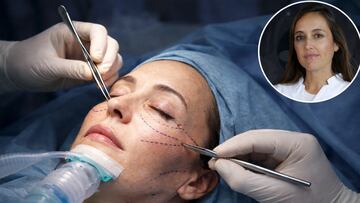
After a surgical procedure, the recovery process is just as important as the operation itself. However, many patients, whether due to lack of information, overconfidence, or fear, make mistakes that can delay healing or lead to unnecessary complications.
Understanding the most frequent post-surgical errors makes it possible to prevent them, improve treatment outcomes, and promote a safer and more effective recovery. This is confirmed by Dr. Silvia Rosón, a specialist in maxillofacial surgery and facial aesthetic surgery.
“All surgical procedures require specific care and treatments, and facial surgery is no exception. After facial surgery, one of the most common mistakes I see in my practice is that some patients do not strictly follow postoperative instructions. At times they engage in counterproductive activities, self-medicate, or fail to attend scheduled follow-up visits. All of this can compromise both recovery and the final aesthetic and functional result,” she explains in an interview with AS.
“It is also very common for patients to manipulate the operated area, whether by touching the wounds, removing scabs, or massaging the area before it is indicated,” she adds. “This increases the risk of infection and can lead to more visible scars or poor tissue healing.”
“Another frequent mistake is premature sun exposure without adequate protection. Sun exposure can permanently darken scars and delay healing, even when the patient feels the skin already appears to be healed,” she explains.
Recovery
According to the facial aesthetics expert, in addition to performing good surgery, patients must respond appropriately during the postoperative period. “In the first few days, resuming intense physical activity or failing to follow recommendations regarding rest and sleeping position, which means sleeping on your back with your head elevated, promotes swelling and bruising,” she warned.
“Likewise, tobacco and alcohol use are among the factors that most negatively affect healing, especially in facial surgery, where skin quality and proper tissue blood supply are critical for a good outcome,” the specialist continues.
“Another key aspect is hygiene and the use of appropriate products. Both insufficient and excessive cleansing, as well as early application of makeup or non-recommended cosmetics, can irritate the skin or contaminate the wounds. That is why it is essential to follow exactly the care protocol prescribed by the specialist,” Dr. Rosón said.
“Impatience is another factor to consider. Many patients judge the results too early, when swelling is still present and the tissues are in the adaptation phase. It is important to understand that facial surgery follows biological timelines that must be respected, and that the final result may take several months to become fully apparent,” she adds.
Finally, she emphasizes the importance of “not ignoring warning signs such as persistent severe pain, fever, discharge, foul odor, or progressively asymmetrical swelling.”
“When in doubt, seeking medical advice promptly is the best way to avoid complications and ensure a satisfactory aesthetic and functional outcome. Medical follow-up and support during the postoperative period are an essential part of treatment and are just as important as the surgery itself,” Dr. Rosón concluded.
Related stories
Get your game on! Whether you’re into NFL touchdowns, NBA buzzer-beaters, world-class soccer goals, or MLB home runs, our app has it all.
Dive into live coverage, expert insights, breaking news, exclusive videos, and more – plus, stay updated on the latest in current affairs and entertainment. Download now for all-access coverage, right at your fingertips – anytime, anywhere.
Complete your personal details to comment