


Struggling to keep your plants alive? You might be making these watering mistakes
Your plants need water to survive, but how you water them can make the difference between a vibrant and sickly foliage, even death.
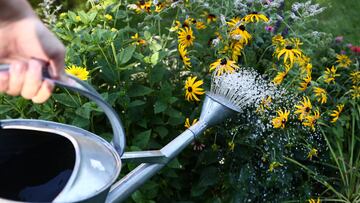

Plants can liven up your garden and the inside of your home. But they need water to survive.
Watering plants may seem straight forward, but there are some rules that you should follow if you want to keep their foliage and flowers vibrant. Here’s what the experts recommend.
How to and not to water your plants
The amount of water you use and when you water your plants can make a big difference in their health. Martha Stewart spoke to three horticulture experts about the biggest mistakes gardeners make when watering their plants.
How much water should you use?
Overwatering is one of the most common mistakes. This practice drowns the roots, depriving them of oxygen and causes them to rot, which will manifest itself by the leaves turning yellow. Tabar Gifford, master gardener and partnership cultivator at American Meadows, told Martha Stewart that it is better to deeply water but do so less often, and ensure that the soil has good drainage.
Likewise, when plants receive too little water, the roots dry out and the cells collapse. Similarly, just giving your plants a quick watering can be counterproductive explained Megan Foster, perennial and bulb expert at American Meadows. She said that this practice can result in plants’ root systems remaining shallow and making them less resistant to dry spells.
When to water your plants
Ideally, you want to water our plants early in the morning. This gives them time to soak up the moisture and the foliage can dry before the sun beats down on them. While your plants may look droopy in the hot midday sun, you should resist the hankering to give them water, it will just evaporate quickly and won’t reach the roots.
Also, you don’t want to water your plants at night. The moisture will remain on the foliage providing ideal conditions for fungus and bacteria to thrive, shared Ankit Singh, ornamental horticulture educator at the University of Maine Extension.
For that matter, he recommended that it is best to avoid getting foliage and flowers wet when watering them. If you can install a drip irrigation system, this can deliver water directly to the roots without the risk of getting the rest of the plant wet.
Additionally, you can put it on a timer that “takes the guesswork out of watering and helps your plants stay hydrated even when life gets busy or you’re out of town,” Gifford explained, thus avoiding inconsistent watering practices that can stress your plants.
Hard water can alter soil pH and leave salt deposits
Water that has a high amount of calcium, magnesium and bicarbonates can raise the pH level of soil and leave white salt deposits on the surface to which some plants react poorly. If your only watering option is using hard water, you can try to flush the soil with rain water or distilled water. This will help reset the soil and Gillford says it “can make a big difference.”
Related stories
Get your game on! Whether you’re into NFL touchdowns, NBA buzzer-beaters, world-class soccer goals, or MLB home runs, our app has it all.
Dive into live coverage, expert insights, breaking news, exclusive videos, and more – plus, stay updated on the latest in current affairs and entertainment. Download now for all-access coverage, right at your fingertips – anytime, anywhere.
Complete your personal details to comment