


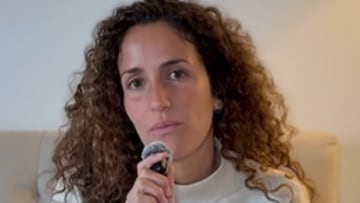
Teresa Herrero, personal development coach: “Until we learn to set boundaries, our schedules will continue to fill up”
Constant self-imposed pressure becomes a silent source of emotional exhaustion. Learning to say no is a key tool.
As we approach March 8, International Women’s Day, a day that highlights female leadership, the glass ceiling, shared responsibilities, and equal opportunities, these debates are essential. However, there is a much quieter reality that rarely makes headlines: the invisible exhaustion of trying to do it all.
Work, family, professional development, emotional care, social presence, continuous learning. Many women live in a fragile balance between ambition and burnout, striving to manage multiple roles without showing the effort.
The thought that often sums it up is internal and discreet: “I’ll hold on and keep going.” According to personal development and emotional management coach Teresa Herrero, “We have normalized overload as a sign of commitment. Many women have internalized that if they feel tired, it means they are doing things right. But that is not strength—it is sustained wear.”
The problem is not capacity. It is not ambition. The problem is the pressure, both external and internal, to succeed on every front without cracks. The culture of “you can handle it all” may feel empowering, but when it becomes an obligation, it turns into a trap.
The silent self-neglect
This exhaustion does not always manifest as a crisis. It often appears through small everyday symptoms: irritability, disconnection, difficulty enjoying achievements, and a constant feeling of not doing enough. Many women not only take on multiple responsibilities but also maintain high levels of self-demand.
Delegating feels difficult. Asking for help feels uncomfortable. Prioritizing oneself brings guilt.
“There is a deeply ingrained idea that saying no means failing or disappointing someone,” Herrero explains. “And until we learn to set boundaries, our schedules will continue to fill up without anyone reviewing them.”
The difficulty in setting clear boundaries affects not only available time but also emotional energy. When everything is a priority, nothing truly is. The result is often chronic exhaustion.
In this context, learning to say no becomes a crucial tool for emotional health and personal leadership. It is not an act of confrontation but an exercise in clarity. Setting boundaries does not mean being less collaborative or committed. It means recognizing that time and energy are finite resources.
Some practical steps for integrating healthier boundaries include distinguishing responsibility from self-imposed obligation. Not everything you do is strictly necessary.
Some tasks are taken on out of habit, expectation, or fear of causing discomfort. Reviewing what is truly essential and what is not is a first step toward self-care.
Herrero also recommends practicing a brief and clear no. “Saying ‘no’ does not require long explanations. Phrases like ‘I can’t take that on right now’ or ‘I need to do this differently this year’ allow you to set a limit without aggression or over-justifying.”
Related stories
She emphasizes accepting the initial discomfort: “Setting boundaries may cause tension at first. That is normal. Discomfort is not a sign of error but of a shift in dynamics.”
“True empowerment is not doing more things; it is choosing better.” Herrero concludes. “And choosing means letting go, prioritizing, and often, disappointing external expectations.”
Complete your personal details to comment