


The desert paradox: Why two countries surrounded by sand still import millions of tons
Despite endless dunes at their doorstep, the UAE and Saudi Arabia spend millions each year importing sand into the country.
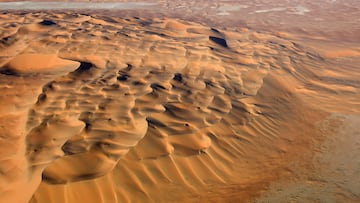
The United Arab Emirates imported over six million tons of sand in 2023. That might sound odd for a country with vast dunes just 25 miles away. According to customs data confirmed by experts, Saudi Arabia is right behind the UAE in importing sand, mainly to fuel its Vision 2030 development plan. On the surface, it seems strange that nations surrounded by desert would spend millions of dollars importing sand. The key is in the texture.
Why desert sand isn’t suitable for construction
The sand in the nearby dunes has been shaped over centuries by the wind. Constant movement smooths the grains, leaving them fine, rounded, and perfect for camel rides - but not for building a city. Desert sand doesn’t bind well, making it unsuitable for heavy machinery and reinforced concrete needed for infrastructure.
The solution is straightforward: import sand from rivers or quarries. This angular sand has irregular grains that lock together, creating strong concrete. In Dubai, hundreds of thousands of tons of imported sand went into iconic projects like the Palm Islands and The World. The Burj Khalifa alone required more than 50,000 tons shipped from Australia. For glass and pure silica, desert sand is also unusable, prompting the UAE to spend over $87 million annually on high-quality quartz imports.
Global sand crisis
According to U.N. reports, sand is the second most exploited natural resource worldwide after water. About 50 billion tons are moved each year, including shipments controlled by criminal networks trafficking sand from India and Morocco. Historically, sand demand was much lower, but the construction of megacities in the Gulf, such as Dubai, Abu Dhabi, and Riyadh, has dramatically increased consumption.
Finding alternatives
Major sand exporters include Saudi Arabia, Egypt, and Belgium, providing angular sand from rivers and quarries, avoiding coastal sources. While this sand is crucial for projects like Saudi Arabia’s Vision 2030, its extraction can erode beaches and threaten ecosystems.
Saudi Arabia is now exploring alternatives to reduce global sand demand. Solutions include recycled materials and artificial sand, which could lower costs and environmental impact while supporting projects like its Green Vision 2030 initiative.
Related stories
Get your game on! Whether you’re into NFL touchdowns, NBA buzzer-beaters, world-class soccer goals, or MLB home runs, our app has it all.
Dive into live coverage, expert insights, breaking news, exclusive videos, and more – plus, stay updated on the latest in current affairs and entertainment. Download now for all-access coverage, right at your fingertips – anytime, anywhere.
Complete your personal details to comment