


The home devices you should never plug into a power strip under any circumstance
Using power strips incorrectly can overload circuits, damage appliances, and even create serious fire hazards in your home, experts warn.
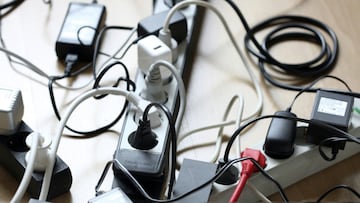
Power strips are incredibly convenient. They let us plug in multiple devices at once and often save us from electrical headaches. But according to experts, using them the wrong way can turn them into a hidden fire hazard in your own home.
Bobby Lynn, a residential electrical technician and owner of LiveWire Electrical in Charlotte, North Carolina, told Kompas that he’s seen plenty of household problems caused by misuse of power strips.
“These outlets aren’t designed for high-power appliances or devices that need a stable power supply,” Lynn explained. “They can handle most gadgets, but in some cases the energy demand is too high, which can damage the device or even cause a fire.”
Appliances you should never plug into a power strip
According to Real Simple, certain kitchen and household appliances should always be plugged directly into a wall outlet rather than a power strip.
Refrigerators and freezers, for instance, run constantly and draw a lot of energy to maintain temperature. Daniel Mock, vice president of Mister Sparky, a nationwide residential electrical service, says connecting them to a power strip can easily overload a circuit. “Large appliances should always be plugged directly into the wall,” he cautioned.
Microwaves fall into the same category. Power strips aren’t built to handle the energy a microwave needs to operate, increasing the risk of overheating and fire. Mock advises homeowners who lack sufficient outlets to call a licensed electrician, who can safely install additional ones in the kitchen.
Even small kitchen devices can be a problem
Small kitchen appliances might not look dangerous, but they can still draw a surprising amount of power. Coffee makers, toasters, and similar gadgets should also go straight into a wall socket instead of a power strip.
While using a power strip might seem harmless, experts stress that understanding its limits can prevent serious safety issues. In short, if it heats, cools, or runs continuously, it probably shouldn’t share a strip with anything else.
Related stories
Get your game on! Whether you’re into NFL touchdowns, NBA buzzer-beaters, world-class soccer goals, or MLB home runs, our app has it all.
Dive into live coverage, expert insights, breaking news, exclusive videos, and more – plus, stay updated on the latest in current affairs and entertainment. Download now for all-access coverage, right at your fingertips – anytime, anywhere.
Complete your personal details to comment