


The ICE effect continues to plague the United States: the immigrants who were singled out
The interior of the US is tinged with fear and controversy as ICE arrests continue unabated, trapping thousands of immigrants with no criminal record.
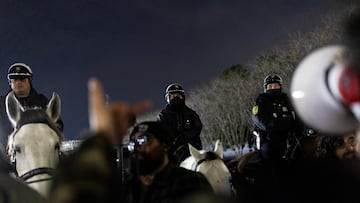

From the streets of New York, Chicago, and Minneapolis to Latino neighborhoods across California, the presence of Immigration and Customs Enforcement (ICE) is being felt with renewed force.
Recent analyses show that interior arrests have skyrocketed, driven by a strategic shift that prioritizes volume over criminal history — turning entire communities into zones of fear and uncertainty.
Immigration‑data experts warn that the surge isn’t just about bigger numbers; it reflects a structural transformation. Over the past year, arrests made outside jails and prisons have increased more than elevenfold compared with previous periods, and total interior deportations have quadrupled. ICE teams conducting operations in streets, parks, and everyday public spaces have left a visible trail of anxiety among undocumented residents.
Deportations, ICE street arrests are way up — and so are arrests of immigrants with no criminal convictions. https://t.co/UkgSjio1Iv
— NBC News (@NBCNews) January 28, 2026
The ICE effect ripples nationwide
The controversy centers on who is being detained. Despite official claims that enforcement focuses on “dangerous criminals,” the latest data shows that a significant share of those arrested have no prior convictions or criminal charges in the United States. Some analyses indicate that nearly half of those detained are migrants whose only violation is an administrative immigration offense.
Civil‑rights organizations say this pattern is leaving deep social scars: families separated without warning, workers disappearing from their jobs, and communities restricting their movements out of fear — even when simply going about daily responsibilities. In several neighborhoods, residents report that police and ICE activity has disrupted basic routines like grocery shopping or taking children to school.
The administration argues that the goal is to strengthen national security and enforce existing laws. But critics counter that the strategy has effectively criminalized large numbers of non‑violent immigrants, eroding trust and weakening social cohesion in places where diverse cultures have long lived side by side.
Meanwhile, lawmakers in multiple states and human‑rights advocates are demanding transparency in the numbers and calling for an urgent debate over the scope of these measures — policies that are not only reshaping U.S. immigration enforcement but also redefining daily life for thousands of families who, until recently, lived with relative normalcy in the heart of the country.
Related stories
Get your game on! Whether you’re into NFL touchdowns, NBA buzzer-beaters, world-class soccer goals, or MLB home runs, our app has it all.
Dive into live coverage, expert insights, breaking news, exclusive videos, and more – plus, stay updated on the latest in current affairs and entertainment. Download now for all-access coverage, right at your fingertips – anytime, anywhere.
Complete your personal details to comment