Guatemala (1954)PHOTO: Bettmann / Bettmann ArchiveThe 1954 intervention in Guatemala took place in the context of the Cold War and tensions surrounding the agrarian reform promoted by Guatemalan President Jacobo Árbenz. The United States cited the communist threat in the region but the coup opened the door to decades of instability and political violence.
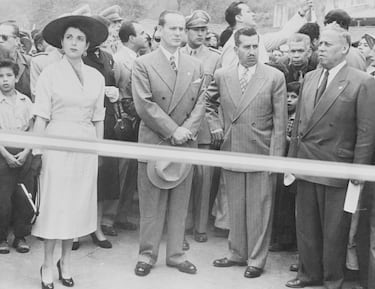
In the photograph are Doña Maria Villanova de Árbenz, wife of the president of Guatemala; President Jacobo Árbenz Guzmán; Carlos Aldana Sandoval, minister of Communications and Public Works; and Alfonso Garcia, mayor of Guatemala City.
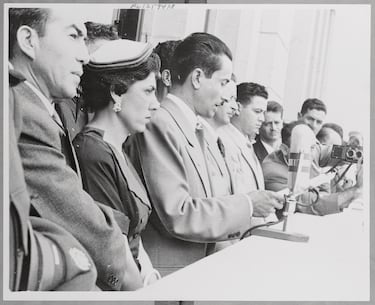
Guatemala (1954)PHOTO: Bettmann / Bettmann ArchiveThe overthrow of Árbenz paved the way for the installation of Carlos Castillo Armas (pictured reading), with Washington’s backing. His government reversed social and economic reforms that had benefited large rural sectors. Repression intensified, laying the groundwork for the internal armed conflict that would last more than thirty years.
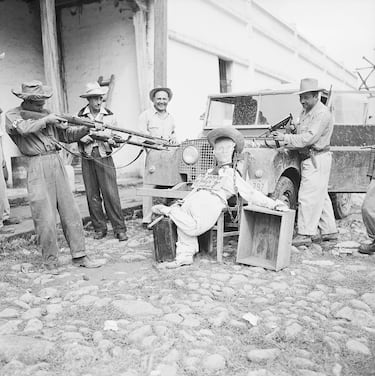
Guatemala (1954)PHOTO: Bettmann / Bettmann ArchiveOperation PBSUCCESS, led by the CIA, set a precedent for future covert interventions. Its tactical success reinforced the notion that political manipulation was a legitimate tool in the region. However, its social consequences were devastating for Guatemala.
In the photograph, a doll representing former Guatemalan President Jacobo Árbenz leans against a vehicle while several members of the Liberation Army aim weapons at it. The effigy’s sign reads: “I’m going back to Russia with Aravelo.” Aravelo is the former Guatemalan president who was allegedly believed to have laid the groundwork for communist infiltration in the country.
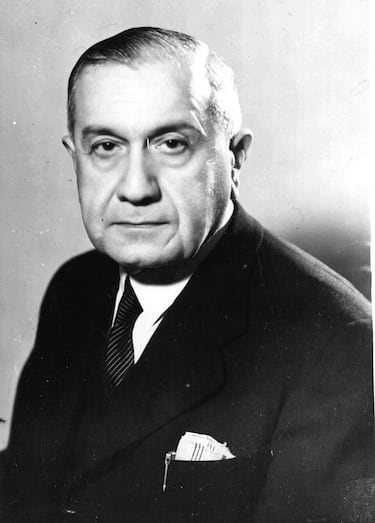
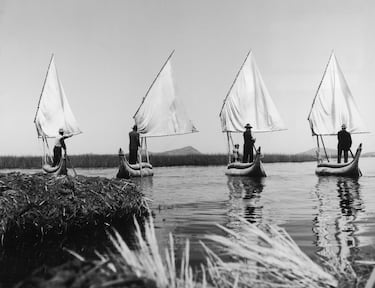
Paraguay (1954)Wikimedia CommonsIn Paraguay, the U.S. intervention coincided with a climate of internal tensions and power struggles. The fall of Federico Chaves paved the way for a new political order aligned with Washington’s interests. The country became an anti-communist stronghold in the Southern Cone, at the southernmost tip of the continent.
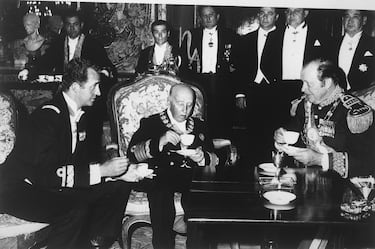
Paraguay (1954)PHOTO: Bettmann / Bettmann ArchiveAlfredo Stroessner came to power in Paraguay and established one of the longest-lasting dictatorships in Latin America. His regime was marked by systematic repression, military control and the persecution of opponents. For decades, Paraguay lived under a state of surveillance and censorship.
In the photograph, during a visit to Spain, he meets with Francisco Franco, Spain’s head of state, and Prince Juan Carlos.
Related stories
Paraguay (1954)PHOTO: Bettmann / Bettmann ArchiveThe authoritarian stability of Stroessner was seen by the United States as a counterbalance to leftist movements. However, that stability was maintained through constant human rights violations. The legacy of his dictatorship still shapes contemporary Paraguayan politics.
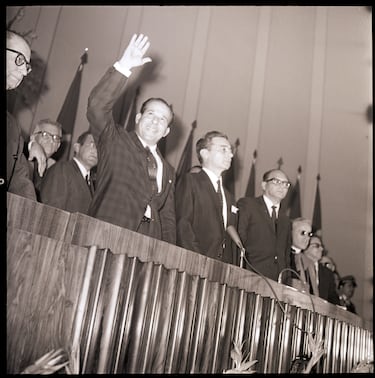
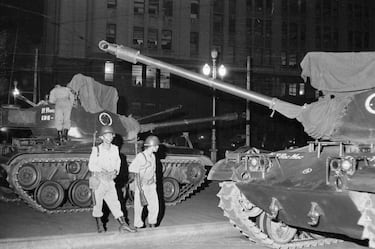
Brazil (1964)PHOTO: Bettmann / Bettmann ArchiveThe 1964 coup in Brazil occurred in a context of social polarization and fear of structural reforms. João Goulart, pictured greeting from a balcony, promoted policies considered too progressive by conservative sectors and by Washington. The U.S. intervention supported the military, who sought to halt those changes.
Brazil (1964)PHOTO: Bettmann / Bettmann ArchiveThe military dictatorship established after the coup lasted more than two decades. During that period, civil liberties were restricted, opponents were persecuted, and an authoritarian economic model was consolidated. The regime combined economic growth with political repression.
Brazil (1964)PHOTO: Bettmann / Bettmann ArchiveThe United States supported the new government as part of its continental strategy. The alliance was based on economic interests and the fight against communism. The social impact of the dictatorship left deep scars that Brazil continues to grapple with.
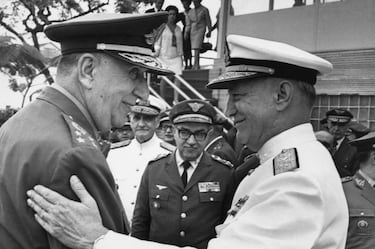
In the photograph, Emilio Garrastazu Medici (left) embraces Admiral Augusto Rademacker at Medici’s presidential inauguration ceremony.
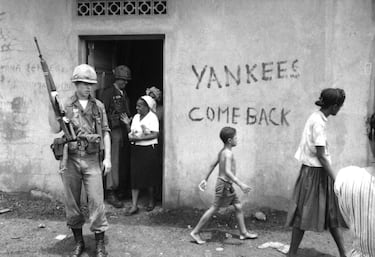
Dominican Republic (1965)PHOTO: Bettmann / Bettmann ArchiveIn 1965, the United States intervened militarily in the Dominican Republic, citing the need to prevent an alleged communist revolution. Juan Bosch, the democratically elected president, had previously been overthrown by conservative actors. The intervention aimed to prevent his return to power.
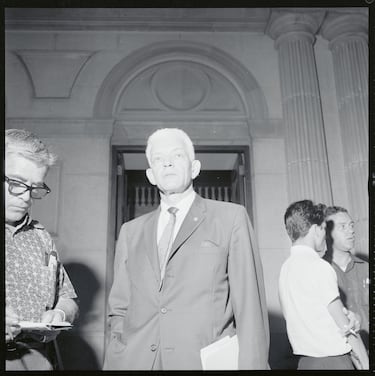
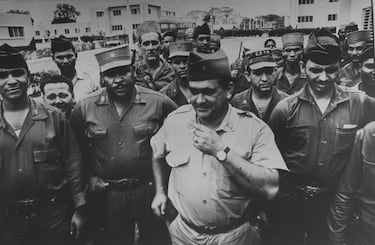
Dominican Republic (1965)PHOTO: Arthur Schatz / Getty ImagesThe U.S. military presence consolidated a new political order favorable to Washington. Elías Wessin y Wessin (center of the photograph) emerged as a key figure in the repression of the constitutionalist movement. The intervention set a precedent for direct action in the Caribbean.
Dominican Republic (1965)PHOTO: Interim Archives / Getty ImagesThe episode left a deep mark on Dominican society. National sovereignty was weakened and distrust of external interference grew. In the long term, it took the country years to regain democratic stability.
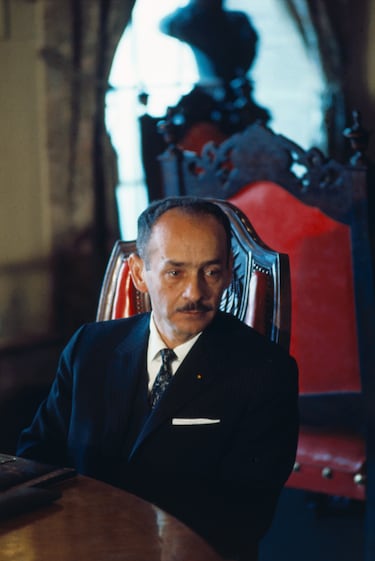
Bolivia (1971)PHOTO: Keystone / Getty ImagesIn Bolivia, the fall of Juan José Torres (pictured) occurred in a context of internal tensions and external pressures. Torres promoted nationalist policies that unsettled conservative sectors and Washington. His government sought greater economic and social autonomy.
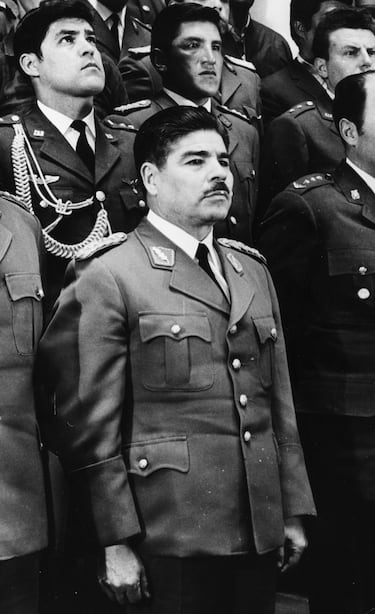
Bolivia (1971)PHOTO: Bettmann / Bettmann ArchiveThe coup that overthrew him brought Hugo Banzer (pictured) to power, with the backing of the United States. Banzer established a military dictatorship characterized by repression and censorship. His regime became integrated into the Southern Cone’s coordinated system of repression.
Bolivia (1971)PHOTO: Tony Morrison / Getty ImagesThe intervention strengthened U.S. influence in the Andean region. Bolivia experienced years of authoritarian rule that stalled social and political reforms. Banzer’s legacy left a deep mark on the country’s political history.
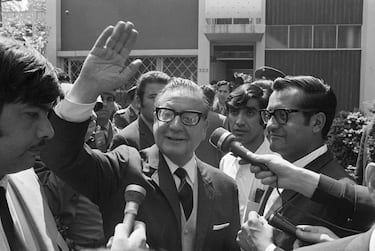
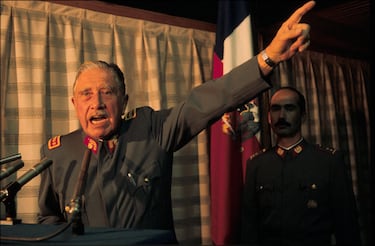
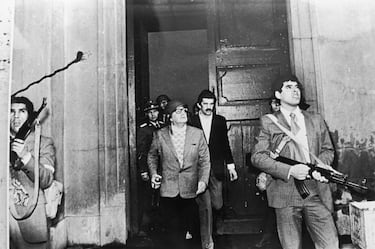
Chile (1973)PHOTO: Bettmann / Bettmann ArchiveThe coup d’état against Salvador Allende is one of the most emblematic episodes of the Cold War in Latin America. Allende was pursuing a socialist project through democratic means that worried Washington. U.S. intervention sought to halt that political experiment.
Chile (1973)PHOTO: Eric BRISSAUD / Gamma-Rapho via Getty ImagesThe rise of Augusto Pinochet established a harsh military dictatorship. Thousands of people were persecuted, imprisoned or disappeared. The regime implemented a neoliberal economic model with international backing.
Chile (1973)PHOTO: Serge Plantureux / Corbis via Getty ImagesThe intervention in Chile became a symbol of U.S. foreign policy in the region. Its political and social impact continues to generate intense debate. The memory of the coup remains a central element in Chilean history.
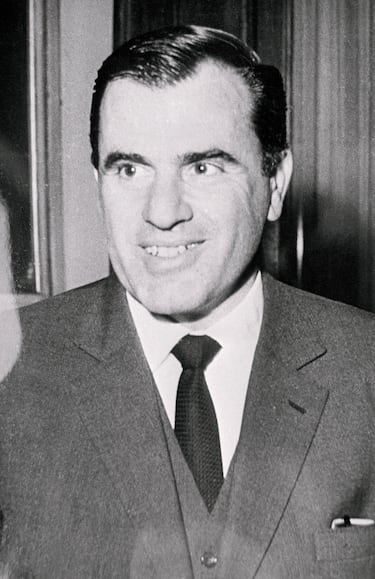
Uruguay (1973)PHOTO: Bettmann / Bettmann ArchiveIn Uruguay, the political and economic crisis opened the door to indirect U.S. intervention. José María Bordaberry (pictured), democratically elected, collaborated with the military to establish an authoritarian regime. The official justification was to combat insurgency and stabilize the country.
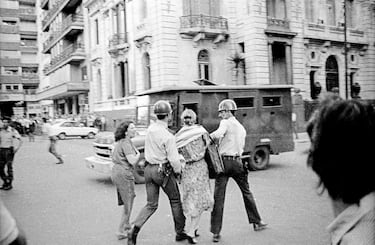
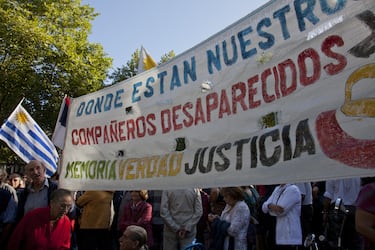
Uruguay (1973)PHOTO: picture alliance / picture alliance via Getty ImageThe Uruguayan dictatorship was characterized by systematic repression, total state control and the persecution of opponents.
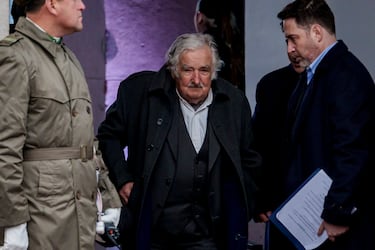
Uruguay (1973)PHOTO: Agencia Makro / Getty ImagesAmong those imprisoned was José “Pepe” Mujica, a member of the National Liberation Movement–Tupamaros, who spent more than a decade in prison under extreme conditions. Thousands of citizens suffered detention, torture or exile.
Uruguay (1973)PHOTO: ullstein bild Dtl. / ullstein bild via Getty ImagesThe United States supported the new order as part of its regional strategy. Uruguay became integrated into the Southern Cone’s coordinated system of repression, reinforcing surveillance and political control. The impact of the dictatorship left deep scars on Uruguayan society and marked an entire generation.
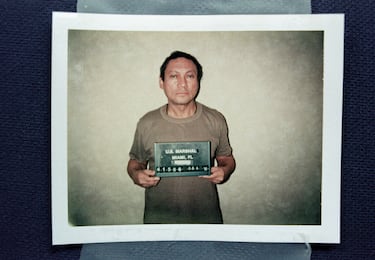
Panamá (1989)PHOTO: William Gentile / Corbis via Getty ImagesThe 1989 U.S. invasion aimed to overthrow Manuel Noriega, who was accused of drug trafficking and challenging U.S. interests. The military operation was one of the most direct and visible of the era. Its immediate impact was the fall of the Panamanian regime.
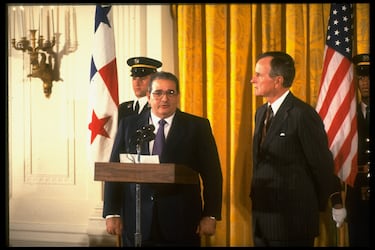
Panamá (1989)PHOTO: Diana Walker / Getty ImagesAfter the intervention, Guillermo Endara (center, alongside U.S. President George Bush) assumed the presidency with Washington’s support. His government sought to restore democracy and stabilize the country. However, the invasion resulted in civilian casualties and significant material damage.
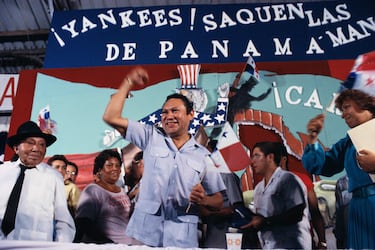
Panamá (1989)PHOTO: Bettmann / Bettmann ArchiveThe episode sparked intense international debate over sovereignty and the use of force. Panama began a process of political reconstruction under U.S. supervision. The intervention remains a sensitive point in Panamanian memory. In the photograph, Manuel Noriega is shown imprisoned in a Miami jail.
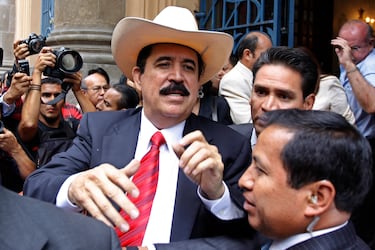
Honduras (2009)PHOTO: Jam Media / LatinContent via Getty ImagesThe coup against Manuel Zelaya (pictured wearing a hat) in 2009 occurred in a climate of political polarization. Zelaya promoted reforms that created tensions with conservative and business sectors. His removal was supported by internal actors with international connections.
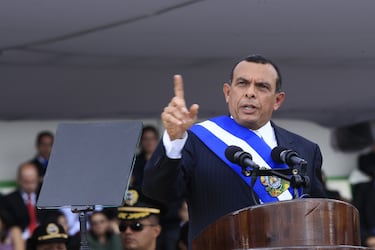
Honduras (2009)PHOTO: Omar Hernandez / LatinContent via Getty ImagesAlthough U.S. involvement was more ambiguous than in previous episodes, its diplomatic influence proved decisive in the subsequent transition. The interim government paved the way for new elections that consolidated a political realignment favorable to the sectors that supported the coup. In that process, Porfirio Lobo emerged as a key figure when he assumed the presidency following the elections held in January 2010.
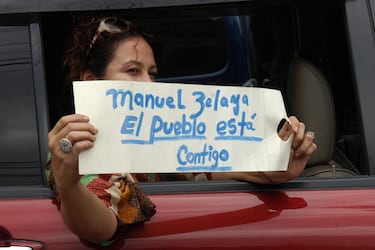
Honduras (2009)PHOTO: Omar Hernandez / LatinContent via Getty ImagesThe coup marked a democratic setback in Honduras. The ensuing instability triggered social conflicts and institutional distrust. The country still faces the consequences of that political rupture.