


The NASA moon mission that is about to happen: When will the astronauts take off from Cape Canaveral?
The Artemis II mission will be the first crewed lunar fly-around since Apollo 17 in December 1972. The Wet Dress Rehearsal countdown has begun.
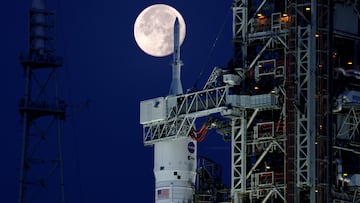
More than half a century after NASA completed it’s 11th and final lunar mission, Earth’s natural satellite is once again becoming the centerpiece of space exploration.
Artemis II will mark the return of astronauts to lunar orbit. Four astronauts: Reid Wiseman, Victor Glover, Christina Koch and Jeremy Hansen will be part of the first crewed mission of the Orion spacecraft. The Orion crew module has been in position atop the Space Launch System (SLS) rocket at Cape Canaveral’s launchpad since January 17. The spacecraft can provide living space on missions for four astronauts for up to 21 days without docking to another spacecraft.
Will Orion land on the Moon?
Unlike the Apollo program, Artemis II isn’t designed to land on the Moon. The mission will be a 10‑day test flight journey around the Moon and back, during which Orion will be flown manually. The trip will give NASA the opportunity to test and evaluate new life‑support and communication technologies. The mission’s primary goal is to confirm that all systems operate safely and reliably with a crew.
Artemis II will also lay the groundwork for future lunar landings and eventually pave the way for even more ambitious missions — including crewed trips to Mars.
When does Artemis II launch?
Artemis II doesn’t have a firm launch date yet, but NASA has scheduled it within a launch window running from late February through April 2026 - when orbital and technical conditions align.
NASA initially identified potential launch opportunities on February 6, 7, 8, 10, and 11, with additional backup dates in March and April if delays became necessary.
However, preparations at the Kennedy Space Center in Florida have recently been disrupted by unusually harsh weather. A rare blast of Arctic air brought nighttime temperatures to near or below freezing, along with strong winds — conditions that forced teams to postpone critical pre-launch tests. As a result, the February 6 and 7 opportunities have been ruled out.
Our "wet dress rehearsal" for Artemis II is underway at @NASAKennedy!
— NASA (@NASA) February 2, 2026
Watch our static feed as teams practice fueling the rocket and conduct a simulated launch countdown as we prepare for the real thing: https://t.co/4iEhNgfQb3
Real-time Artemis updates: https://t.co/40PMWktQjO pic.twitter.com/D9nZskFuP1
On Monday (February 2), the wet dress rehearsal resumed with fueling of the SLS rocket. Over 700,000 gallons of liquid oxygen and liquid hydrogen have now reached the replenish phase - ie. at flight-ready levels. Once all fueling stages are complete, the launch director will assess readiness to send the Artemis closeout crew out to Launch Pad 39B to proceed with Orion closeout operations, including charging batteries and hatch closures.
On Tuesday (February 3), an unforeseen problem set the mission back. Engineers spent several hours troubleshooting a liquid hydrogen leak, putting them behind in the countdown.
NASA noted that teams now need time to review the data and conduct a second full rehearsal, so March is currently the earliest possible target for the launch. Artemis II astronauts will enter quarantine again about two weeks out from the next targeted launch opportunity.
Related stories
Get your game on! Whether you’re into NFL touchdowns, NBA buzzer-beaters, world-class soccer goals, or MLB home runs, our app has it all.
Dive into live coverage, expert insights, breaking news, exclusive videos, and more – plus, stay updated on the latest in current affairs and entertainment. Download now for all-access coverage, right at your fingertips – anytime, anywhere.
Complete your personal details to comment