


The ultimate guide to plastic wrap: Do’s and don’ts you need to know
Plastic wrap, cling film... it’s handy, it’s versatile but beware the dangers of cooking food at high temperatures.
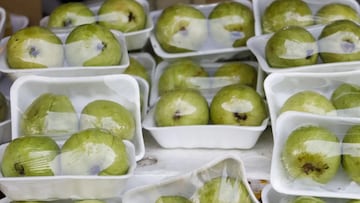
It has many names: plastic wrap, cling film, Saran wrap, food wrap... it’s the transparent, plastic film that is used to seal food, help keep it fresh, stop it from perishing and prevent bugs from getting at it.
What is plastic wrap made from?
Plastic wrap is usually made from either polyvinyl chloride (PVC), polyethylene (PE), or polyvinylidene chloride (PVdC), and while it’s convenient and versatile in the kitchen, it’s not without health hazards.
Health concerns relating to plastic wrap include the microplastics particles and chemical substances that might contaminate food and be ingested, as well as the environmental consequences of throwing it out with the trash.
Then there are the dangers of molten plastic dripping into food when it the packaging is left on and food cooked at high temperatures. Polyethylene film is extremely thin, delicate and prone to melting. Low-density PE has a melting point range of 105–115°C, whereas High-density PE will melt at temperatures between 120–130°C.
That means that plastic wrap should be removed when food is heated in the oven, on stovetops, in toasters, slow cookers, pressure cookers, air fryers, grills, or any other high-heat appliance as the plastic is likely to melt.
Some foods which have a low melting point - for example those that are high in unsaturated fat or sugar, should not be used with plastic wrap as they heat up quicker than the plastic, and can cause it to melt or explode.
Plastic film in the microwave
Cling film can be safely used to heat ready meals in the microwave, however, there is still a small risk that chemicals will migrate from the plastics into food. Which is why we are told to make small cuts into the plastic film covering our ready meals, to prevent steam from building up inside the container. By venting, your meal is less likely to explode in the microwave and release plastic particles into the food.
And finally, when using cling film to protect food in the fridge or freezer, you want to create an airtight seal that will stop air and moisture from entering and spoiling the food.
While the FDA has strict regulations regarding plastics (polyolefins, polyesters, polystyrene, polyamides... etc) in food packaging, it is a good idea to reduce your exposure to them by using less plastic is possible.
Related stories
Get your game on! Whether you’re into NFL touchdowns, NBA buzzer-beaters, world-class soccer goals, or MLB home runs, our app has it all.
Dive into live coverage, expert insights, breaking news, exclusive videos, and more – plus, stay updated on the latest in current affairs and entertainment. Download now for all-access coverage, right at your fingertips – anytime, anywhere.
Complete your personal details to comment