


The underwater tunnel that will redraw Europe’s map — and slash travel times between Denmark and Germany
Over 11 miles long, this megaproject will cut train trips from Hamburg to Copenhagen in half while reshaping tourism and trade across Northern Europe.
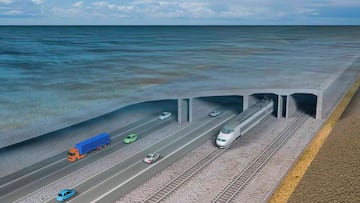
An 11-mile underwater tunnel now under construction is set to change the way Northern Europe travels and trades. Known as the Fehmarnbelt Tunnel, this $8 billion engineering marvel will directly connect Denmark and Germany, turning a 45-minute ferry ride into just a 10-minute drive or a 7-minute train trip.
Once completed, the project is expected to reshape the economic and tourism landscape of Scandinavia and northern Germany, bringing countries and cities closer than ever before.
How the Fehmarnbelt Tunnel is being built
Unlike the famous Channel Tunnel between the U.K. and France, which was drilled through solid rock, the Fehmarnbelt link uses giant prefabricated concrete sections. Each section, measuring 712 feet long and weighing about 73,000 tons, is lowered into a trench on the seabed and then covered.
The first sections rolled out earlier this year from a dedicated factory in the Danish port town of Rødbyhavn, marking a major milestone. When fully assembled, the tunnel will stretch from Rødbyhavn, on Denmark’s Lolland Island, to Puttgarden, a ferry hub on Germany’s Fehmarn Island.
Denise Juchem, spokesperson for Femern A/S, the Danish state-owned company leading the project, said that weather will play a decisive role in when the first section can be submerged. The delicate operation will take around 40 hours, requiring a 22-member crew that has been undergoing intensive training. “There won’t be a second chance,” Juchem noted, underscoring the precision involved.
What it means for travelers
Right now, a train ride between Hamburg and Copenhagen takes about five hours. With the Fehmarnbelt Tunnel, that time will be cut nearly in half, dramatically improving cross-border mobility.
“The Fehmarnbelt tunnel will be a game-changer for tourism in Denmark and the wider Scandinavian region,” said Mads Schreiner, International Marketing Director at VisitDenmark, in an interview with CNN.
A boost for tourism and local economies
Beyond easing freight and passenger traffic, the tunnel is expected to spark a surge in tourism. New visitors from Germany and beyond will have easier access to Denmark’s southern regions, areas that have long been overshadowed by Copenhagen.
“This new connection presents incredible opportunities for destinations in Eastern Denmark, as more travellers will explore beyond Copenhagen,” Schreiner explained.
“It is crucial that we ensure visitors choose to stay and experience Denmark rather than just passing through,” he added. “By investing in infrastructure and creating compelling visitor experiences, we can maximize the tourism potential of this historic project.”
The Fehmarnbelt Tunnel is scheduled for completion in 2030, setting the stage for a future where Scandinavia and continental Europe are linked more closely than ever before.
Related stories
Get your game on! Whether you’re into NFL touchdowns, NBA buzzer-beaters, world-class soccer goals, or MLB home runs, our app has it all.
Dive into live coverage, expert insights, breaking news, exclusive videos, and more – plus, stay updated on the latest in current affairs and entertainment. Download now for all-access coverage, right at your fingertips – anytime, anywhere.
Complete your personal details to comment