


This underwater creature packs a 200-volt punch: How this secret weapon fends off shark attacks
Sharks are an apex predator of the oceans and don’t shy away from taking a bite out of most creatures except for one that can deliver one heck of a shock.

Great white sharks and tiger sharks are considered two of the most dangerous sharks in the world’s oceans. When these apex predators are hungry, they rarely shy away from taking a bite out of whatever creature they find, including the odd human.
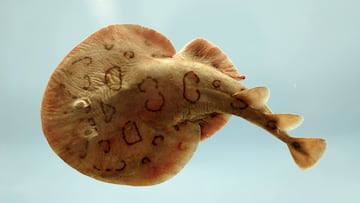
According to National Geographic, they will also eat stingrays and sea snakes as they are resistant to toxins. But there is one creature that can make these large carnivorous fish think twice about sinking their teeth into them: electric rays.
The fish that packs an electric punch
There are around sixty species of electric rays divided into four types, which typically inhabit tropical and temperate marine waters. They can range in size from one foot to six feet long and can weigh up to 200 pounds like the Atlantic Torpedo Ray. On either side of their head they have a kidney-shaped muscle, which can represent a sixth of their weight and are used to store electricity.
The discharge from them can be as little as 8 volts and up 220 volts. While the upper limit is not quite as high as an electric eel, with more than 800 volts, it is still enough to knock out a human. They generally use these to zap prey as electric rays aren’t the fastest swimmers.
However, electric rays have been observed discharging an electric charge to give sharks a jolt to save their hide. Research led by Yannis Papastamatiou, an ecologist at Florida International University, has shown that what hadn’t been thought to be an effective deterrent against these large predators, is in fact exactly why electric rays aren’t afraid of sharks.
“Generally, if you’re that bold, it’s because you’re pretty confident in your defensive capabilities,” Papastamatiou said. He first witnessed a shark getting a shock from an encounter with an electric eel in 2018.
When it was in striking distance, a Pacific electric ray gave the shark a zap to remember, “the shark suddenly went ballistic and shot up,” Papastamatiou recounted to National Geographic. The shark didn’t bother making a second attempt at the meal.
Not a fool-proof defense
However, this defense isn’t fool-proof as some species of torpedo rays have been found in the bellies of big sharks. Others have been found with shark bite marks on them. “You could tell from the bite mark that the shark let go,” said Dave Ebert, a shark scientist at San Jose State University.
He thinks that the deterrent’s effect likely depends on the size of the electric ray, and thus the electrical force they can muster, as to whether they can avoid becoming a shark snack.
Related stories
Get your game on! Whether you’re into NFL touchdowns, NBA buzzer-beaters, world-class soccer goals, or MLB home runs, our app has it all.
Dive into live coverage, expert insights, breaking news, exclusive videos, and more – plus, stay updated on the latest in current affairs and entertainment. Download now for all-access coverage, right at your fingertips – anytime, anywhere.
Complete your personal details to comment