


UN warning: “The world has entered a global water bankruptcy”
Kabul could become the first major modern city without water.
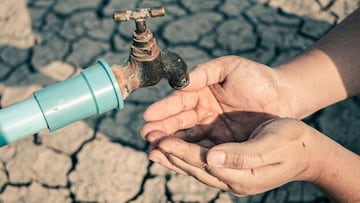
The United Nations is warning that the world has entered “an era of global water bankruptcy” - a tipping point with potentially irreversible consequences.
Many regions are already feeling the strain. Kabul, Afghanistan, could become the first major modern city to run out of water entirely. In the United States, several Western states continue to battle over how to divide the shrinking flow of the Colorado River, which has been hammered by years of severe drought.
The report — released Tuesday by the United Nations University and based on research published in Water Resources — argues that the situation is now so dire that phrases like “water crisis” no longer capture its true scale.
“If you keep calling this a crisis, you’re implying it’s temporary. This is a shock,” said Kaveh Madani, director of the UN University’s Institute for Water, Environment and Health and the report’s lead author, in an interview with CNN. “We can mitigate it, but we also have to adapt to a new reality with tighter conditions than before.”
What “Water Bankruptcy” really means
The idea behind “water bankruptcy” is simple: nature provides water through rain and snow, but humanity is withdrawing far more than the planet can replenish. Rivers, lakes, wetlands, and underground aquifers are being drained faster than they can recover.
The result is a widespread decline in global water reserves. According to the report, half of the world’s major lakes have lost water since 1990, and 70% of the planet’s key aquifers are in long‑term decline, with an average drop of 30% since 1970.
Madani notes that many regions have been living beyond their “hydrological means,” making it unlikely that conditions will return to what they once were.
The human impact is staggering: nearly 4 billion people face water shortages at least one month out of the year.
What needs to change
To reverse course, the report calls for a major overhaul of global agriculture — the world’s largest consumer of water. That includes shifting to more sustainable crops, adopting efficient irrigation systems, improving water monitoring through artificial intelligence and satellite technology, reducing pollution, and strengthening protections for wetlands and groundwater reserves.
Related stories
Get your game on! Whether you’re into NFL touchdowns, NBA buzzer-beaters, world-class soccer goals, or MLB home runs, our app has it all.
Dive into live coverage, expert insights, breaking news, exclusive videos, and more – plus, stay updated on the latest in current affairs and entertainment. Download now for all-access coverage, right at your fingertips – anytime, anywhere.
Complete your personal details to comment