


Will Tropical Storm Fernand hit land? See its projected path and affected areas
Tropical Storm Fernand won’t make landfall, but warming Gulf waters raise concerns about stronger, less predictable storms this hurricane season.
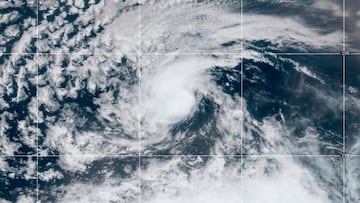
A new tropical storm has formed in the Atlantic, and thankfully, it’s not expected to make landfall. According to the latest updates from the National Weather Service (NWS), Tropical Storm Fernand is not projected to develop into a hurricane.
This news comes as a relief for many along the Gulf and East Coasts of the U.S., which have yet to experience a major storm this season. However, residents in these regions shouldn’t let their guard down—hurricane season officially runs through the end of November.
2 pm ET Mon, Aug. 25: Good news! Aside from TS #Fernand, the tropics across the Atlantic look relatively quiet during the upcoming week.
— National Hurricane Center (@NHC_Atlantic) August 25, 2025
On another note, some of the eagle-eyed among you might have noticed some new features on our website that became available over the past… pic.twitter.com/OcEtYly9ui
Additionally, as climate change continues to warm the Gulf of Mexico, scientists warn that stronger and more unpredictable storms may become increasingly common, gaining energy and intensity as they hover over warmer waters.
The Gulf of Mexico and the conditions for a hurricane
In 2023, the National Centers for Environmental Information reported that the water in the Gulf of Mexico “warmed at twice the rate of warming in the global ocean near the sea surface.” This rapid warning helps explain the intensity of the storms that have been witnessed in the United States, Mexico, Central America, and Caribbean nations over the last decade. Warmer waters, in and outside the Gulf of Mexico, fuel tropical storms, allowing them to intensify rapidly. Researchers at the University of Alabama published an article in Nature in 2023 that underscored the challenges rapid warming creates for forecasters.
The team found that marine heatwaves, common during hurricane season in the Gulf of Mexico, made rapid intensification fifty percent more likely. However, the authors note that more research needs to be done into how these heatwaves impact intensification so that forecasting models are better prepared to estimate the strength of a storm as it makes landfall and travels inland or back out to sea.
Related stories
Get your game on! Whether you’re into NFL touchdowns, NBA buzzer-beaters, world-class soccer goals, or MLB home runs, our app has it all.
Dive into live coverage, expert insights, breaking news, exclusive videos, and more – plus, stay updated on the latest in current affairs and entertainment. Download now for all-access coverage, right at your fingertips – anytime, anywhere.
Complete your personal details to comment