

Do video games contribute to professional success? Here’s what an expert thinks
From the console to the office, the skills you develop playing video games can also help you in the professional world.

A hobby is a way to show our interest in something, a way to distract ourselves, but also a way to acquire new skills or improve the ones we already have. There has always been a need to justify our hobbies with phrases like “You’ll never get anything out of it” or “What good will it do you? The gaming world is no different.
Although video games have evolved tremendously - from arcade games, through their role as simple “toys” in the 1990s, to their consolidation as a fully validated entertainment industry - there are still doubts about the actual skills a gamer can develop.
Despite the many studies that show how video games can foster certain skills, today we review an article that approaches the topic from a professional perspective. Written by Igor Tulchinsky for the Harvard Business Review, the article discusses five ways in which video games prepared him “in unique and important ways for my subsequent career at the intersection of technology and high finance.”
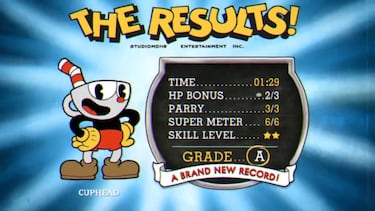
5 Ways Video Games Can Help Your Career
Tulchinsky shares 5 important lessons on how video games have helped him:
- Don’t settle: Just as video games are dynamic, fast-paced, and constantly changing, so should a career. Tulchinsky explains that his job search focused on finding a company that recognized the value of his skills, many of which were developed in video games: problem solving, poise under pressure, and teamwork. If a company doesn’t value those skills, you’d better keep looking.
- Challenge your beliefs: Just as we sometimes dismiss games without trying them, we also tend to dismiss jobs or industries out of prejudice. The author recommends researching and talking to people in those fields, just as we would explore a new video game before judging it.
- Try again, fail again, fail better: One of the clearest lessons in gaming is perseverance. Failing and trying again until a goal is achieved is part of the game. In real life, we do not always feel that there are “second chances,” but as Tulchinsky says, we must try new things to discover our path.
- Have patience: Those who play video games know what it means to have patience: repeating tasks, waiting for rewards and improving little by little. This mentality, applied to professional life, makes it possible to manage the daily routine with an eye to bigger goals. As the author points out, “The key is to be patient in the long-term, and impatient in the short-term.”
- Think like a creator: Every video game is born from someone’s creativity. Learning from their design process - mixing existing elements, generating new ideas, building worlds - can inspire us in any field of work. Tulchinsky emphasizes the importance of free and playful creativity, capable of solving problems and imagining new solutions from different disciplines.
Related stories
Follow MeriStation USA on X (formerly known as Twitter). Your video game and entertainment website for all the news, updates, and breaking news from the world of video games, movies, series, manga, and anime. Previews, reviews, interviews, trailers, gameplay, podcasts and more! Follow us now!
Complete your personal details to comment