

Greg Reisdorf, former Creative Director of Call of Duty, warns: “A $100 game is going to happen eventually. You just don’t want to be the first person to do it”
The Call of Duty multiplayer veteran links the change to costs, expectations, and business models, with GTA 6 as a possible trigger.


The buzz continues. Greg Reisdorf, veteran designer and former creative director of Call of Duty multiplayer, once again puts the controversial figure at the center of the debate: $100 as the new base price for major releases. He does not present it as a provocation in his interview with esportsbets, but rather as an outcome. “It’s economics at that point. The expectations are so high for those games,” he sums up.
The argument, in its most direct form, is one of scale. For Reisdorf, Call of Duty is no longer “one” game, but a package of experiences with different rhythms and teams: “it’s at least four games in one.” He lists Zombies, the campaign (which he describes as enormous), multiplayer (the historical core), and an additional ecosystem that leads to Warzone. That sum explains why, when talking about prices, he doesn’t just look at the retail price: he looks at the sustained cost of producing and maintaining a product that doesn’t shut down when the credits roll.
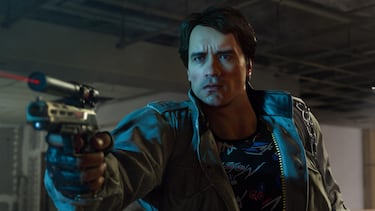
This brings us to another uncomfortable idea: the weight of free-to-play as both an apparent solution and a risk. Reisdorf points out that Warzone is still free, something he finds striking, and uses this to paint a picture of the model: massive growth, million-dollar bets, and brutal volatility. “We’ve seen a huge uptick in free-to-play games, and free-to-play games come and go. They spend hundreds of millions of dollars on releasing them and then die the next day,“ he says. For him, the ”most interesting” thing in the medium term is the opposite of the craze: a premium game with a light offering of microtransactions, and free-to-play that is reconfigured towards Roblox-style UGC (user-generated content) platforms, without disappearing entirely.
With that logic, the jump to $100 does not depend on creative will, but on corporate fear of being the initial villain. “A $100 game is going to happen eventually. You just don’t want to be the first person to do it. All the publishers are waiting,” he says.
Who can break the ceiling without paying the reputational cost? Reisdorf points to Grand Theft Auto VI: “could do it” and still be a smash hit, because “it will be quality” and “you get what you pay for.” In his view, GTA Online and its infrastructure (servers, continuous operation, ongoing costs) illustrate why a bestseller can push the envelope without losing traction. And he warns of the domino effect: “Once you do it once, and stick a $100 price tag on your game, it’s just going to go up across the industry. Other games will follow.”
Related stories
Reisdorf speaks from a background of AAA experience and a change of stage. In the interview, he looks back on an early start linked to development and technology, a stint at EA and Activision, and his arrival in the Call of Duty orbit after the launch of Modern Warfare 2, in an ecosystem of studios and very marked internal dynamics. After leaving that front, he describes the contrast between publishing something under a brand that guarantees millions of views and “starting over” small, connecting with developers and looking for a fit for new projects. Now, from Oncade, he insists on the word that underpins all of the above: sustainability (how to make ideas survive when costs, and not enthusiasm, set the pace).
Follow MeriStation USA on X (formerly known as Twitter). Your video game and entertainment website for all the news, updates, and breaking news from the world of video games, movies, series, manga, and anime. Previews, reviews, interviews, trailers, gameplay, podcasts and more! Follow us now!
Complete your personal details to comment